
Apple Introduces Siri AI: A New Era of Personal Assistance
For years, users have asked when Apple would fully embrace the generative AI revolution. In June 2026, the answer finally arrived. Apple has officially introduced Siri AI, an upgrade that transforms the familiar voice assistant into a profoundly more capable, deeply personal, and context-aware digital companion.
Whether you are a tech enthusiast or an everyday consumer, this update fundamentally changes how you interact with the Apple ecosystem. Below, we break down the most exciting features of the new Siri AI, highlighting its impact on daily consumer use and its groundbreaking advancements in accessibility.
What Makes the New Siri AI Different?
The original Siri, while revolutionary at its launch, often struggled with complex, multi-step requests. The 2026 Siri AI bridges that gap by integrating advanced generative AI models directly into Apple’s core operating systems.
According to Apple’s official newsroom, the new architecture makes the assistant:
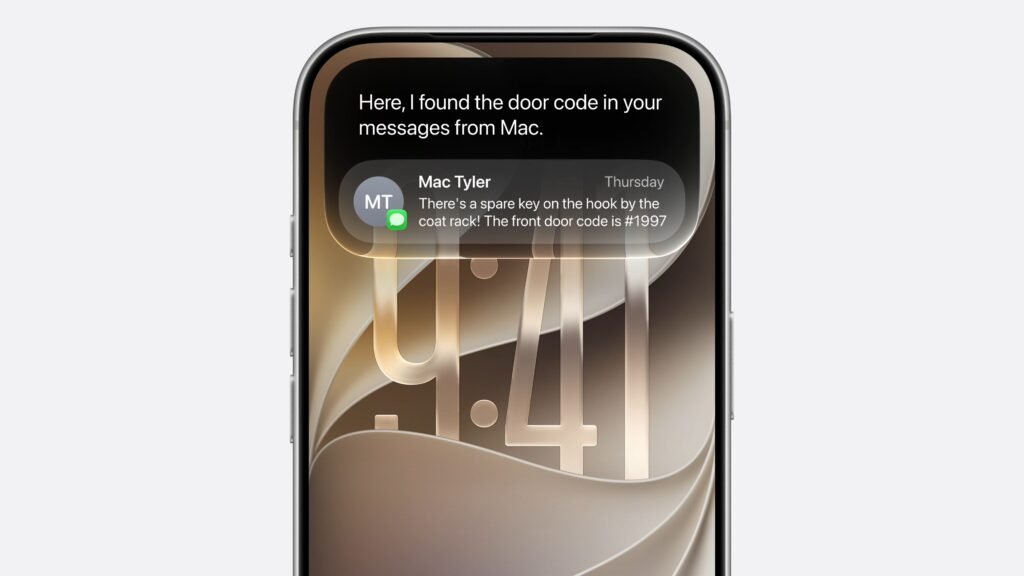
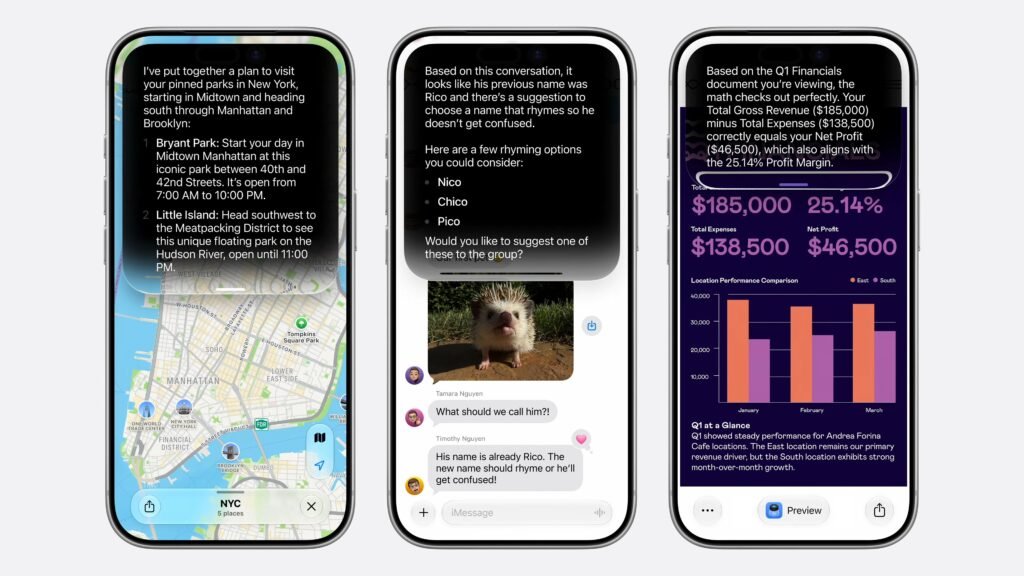
- Profoundly More Capable: Siri AI can now understand the nuance of human conversation, remember the context of previous questions, and execute complex workflows across multiple apps seamlessly.
- Intimately Personal: On-device processing allows Siri to learn your habits, preferences, and routines without compromising your privacy or sending personal data to the cloud.
- Natural and Conversational: You no longer need to speak in rigid, robotic commands. If you stumble over your words or change your mind mid-sentence, Siri AI understands the correction and adapts in real-time.
Also read
- JPMorgan CEO Jamie Dimon on US Debt, AI and Tax Risks
- AI Energy Consumption Cost: How Much Power Does AI Use?
- OpenAI CFO Reveals Shocking AI Infrastructure Costs: What It Means for the Future of Technology
The Real Game-Changer: Accessibility
While the mainstream tech world focuses on productivity, market analysts—including perspectives highlighted by The Wall Street Journal—point out that the true triumph of Siri AI lies in accessibility.
For users with motor, visual, or cognitive disabilities, a smarter AI isn’t just a convenience; it is a tool for independence.
Key Accessibility Enhancements:
- Adaptive Voice Recognition: Siri AI is now trained to better understand atypical speech patterns, making it highly reliable for users with speech impairments or vocal conditions.
- Contextual Screen Awareness: For visually impaired users, Siri AI can effectively “read” what is on the screen, summarizing complex articles, describing images in high detail, and navigating complex app interfaces purely through natural voice commands.
- Predictive Actions: The AI anticipates user needs based on location and time of day, reducing the physical steps required to send messages, control smart home devices, or call for emergency assistance.
Consumer Impact: Siri AI Across Your Devices
From an everyday consumer perspective, the launch of Siri AI is designed to make the Apple hardware ecosystem even stickier. As noted by consumer tech outlets like InfoMoney, this upgrade breathes new life into devices you already own.
| Feature | The Old Siri | The New Siri AI (2026) |
| Context Memory | Forgets previous questions instantly. | Remembers conversational flow and context. |
| App Integration | Limited to basic Apple apps (Weather, Music). | Deep integration with third-party apps and multi-step tasks. |
| Text Generation | Could only dictate exactly what you said. | Can draft emails, summarize threads, and rewrite texts in different tones. |
| Privacy | High privacy, but limited complex functionality. | Private Cloud Compute + On-device AI ensures maximum privacy with peak performance. |
The Verdict
The 2026 Siri AI update is not just a software patch; it is a fundamental shift in Apple’s design philosophy. By blending generative AI with industry-leading privacy and a strong focus on accessibility, Apple is not just catching up to the AI race—it is redefining how we expect our personal devices to support us.
Sources & References
- Apple: Apple introduces Siri AI, a profoundly more capable and personal assistant
- Infomoney: Apple lança nova Siri com tecnologia de IA e funcionalidades inéditas
- The Wall Street Journal (via InvestNews): Na Apple, Siri finalmente terá um upgrade com IA. E o ganho vem na acessibilidade
- Apple: Apple WWDC26, June 8th. Introducing Siri AI and much more.