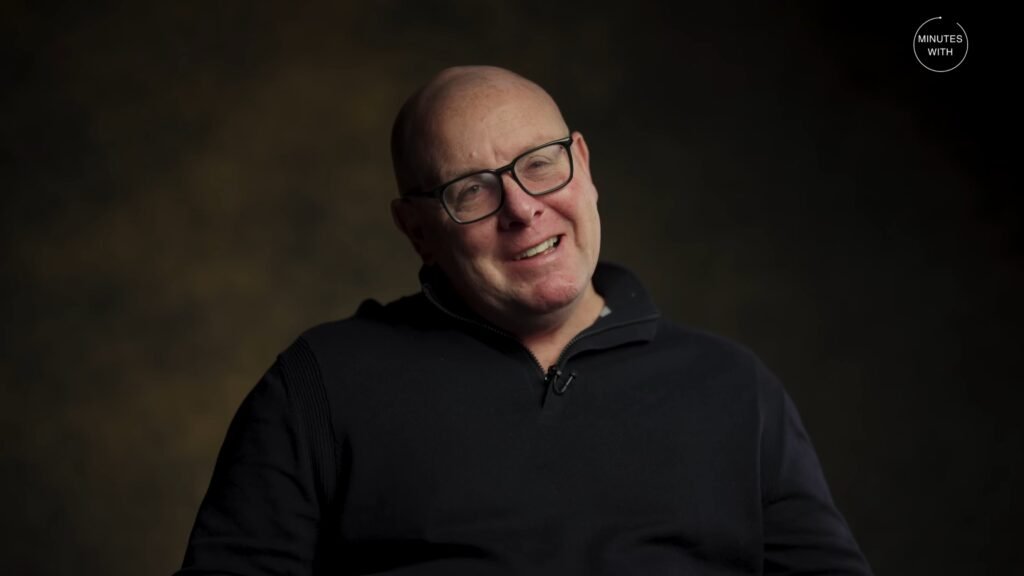
In a recent and highly impactful interview with Bloomberg Television at the Forbes Iconoclast Summit, Bridgewater Associates founder Ray Dalio provided a stark assessment of the global macroeconomic landscape. Known for his deep historical analysis of shifting world orders, Dalio addressed what he considers to be the inevitable collision of unprecedented U.S. government debt, geopolitical vulnerability, and the rapid inflation of an Artificial Intelligence market bubble.
For investors trying to navigate the complex crosscurrents of 2026, Dalio’s insights offer a crucial framework for understanding why the traditional rules of the bond and stock markets may be breaking down.
1. The US Debt: Past the “Point of No Return”
Currently, the United States is running a severe structural deficit—spending roughly $7 trillion annually while generating only $5 trillion in revenue. When asked by Bloomberg if this dynamic means a financial crisis is inevitable, Dalio did not hesitate:
“Yes. We’re past the point of no return.”
Dalio used a powerful biological metaphor to explain the impending debt crisis. He compared debt service payments to “plaque in the circulatory system,” slowly squeezing out the flow of money just as plaque restricts blood flow.
- The Supply and Demand Trap: The massive budget deficit means the U.S. government must continuously sell bonds to fund itself. This creates a severe supply/demand imbalance in the bond market.
- The Yield Squeeze: As the government attempts to hold short-term interest rates down, long-term rates are naturally rising under the pressure of this debt supply. This dynamic makes bonds a bad investment on a real-return basis, forcing money out of traditional fixed-income assets.
Recommended reading
- Ray Dalio Recommended Books: 5 Must-Reads for Investors
- Ray Dalio: How Debt Cycles Work (Simple Explanation)
2. “Financial Repression” and the Bond Market Response
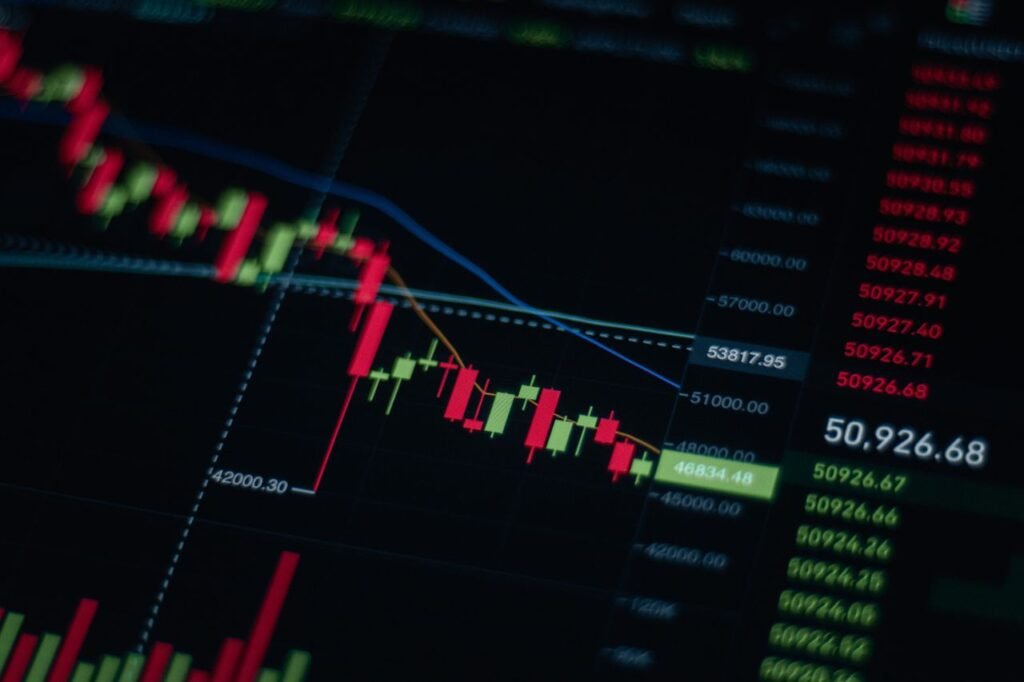
If bonds fail to provide a real return, Dalio warns that investors will seek refuge elsewhere. As yields rise, they place heavy downward pressure on the stock market, creating a classic stagflationary environment that the Federal Reserve cannot easily manage.
How does history suggest this will end? Dalio points to the 1930s as a historical parallel, predicting a return to a policy known as Financial Repression.
- What is Financial Repression? It is a scenario where the central bank (the Fed) and the Treasury work together to artificially drive bond yields down (often through massive asset buying or quantitative easing) to keep government debt-servicing costs low.
- The Unintended Consequences: Because real rates are forced artificially low, this manipulation makes bonds highly unattractive. Historically, this is accompanied by higher inflation (to inflate the debt away) and higher taxation to generate revenue.
- The Asset Shift: As a result, Dalio notes that capital naturally flees to alternative stores of value, which historically drives movements into assets like gold.
3. Geopolitics: The Taiwan Chip Threat
Dalio also highlighted severe geopolitical vulnerabilities, particularly regarding China and Taiwan. Based on his recent travels and discussions with leaders in Asia, he notes a growing global perception that the United States cannot, or will not, engage in a prolonged foreign conflict due to the domestic impacts on the cost of living and political appetite.
The implications for the U.S. stock market are profound. Taiwan is not just a political hotspot; it is the epicenter of global semiconductor (chip) manufacturing. Dalio warns that China possesses the power to initiate a blockade. If even a single week of chip exports were halted, it would send a catastrophic signal to the market, causing tech and AI stocks to crash globally.
4. The AI Bubble: Miracle Tech vs. Market Reality
While Dalio recognizes Artificial Intelligence as a “miracle technology” that will drive massive productivity gains over time, he is deeply concerned about how it is being priced in the stock market.
- The Nature of Tech Bubbles: All great technological shifts produce bubbles because no one can perfectly predict the winners. Companies must spend wildly to capture market share, flooding the sector with capital.
- Wealth vs. Money: Dalio makes a critical distinction: wealth is a paper valuation (e.g., a stock price going up), but money is what you can actually spend. Bubbles burst when people are forced to convert their paper wealth into actual cash.
- The Pricking of the Bubble: According to Dalio’s proprietary indicators, the current market is approaching the bubble levels seen in 1929 and 2000. The “pricking” of this AI bubble will likely occur when broader economic conditions (such as a debt crisis, tightening money, or new wealth taxes) force investors to sell their tech holdings to raise cash.
The Bottom Line for Investors
Ray Dalio’s message is a sobering reminder that financial markets do not exist in a vacuum. They are deeply intertwined with sovereign debt levels, central bank policies, and global geopolitics. While AI will undoubtedly shape the future, investors must remain vigilant about when and how they allocate capital, ensuring they are not caught holding overvalued assets when the market’s need for liquid cash finally “pricks” the bubble.
Source & References
- Bloomberg Television: Ray Dalio on US Debt, AI Bubble, Bond Markets