
Stock Market Crash Strategy: Turning Chaos into Wealth
The stock market crash strategy is built on one core truth: market declines are inevitable, but they don’t have to be devastating. Over the last 35 years, history has shown that while crashes are scary, they are also the greatest opportunities to build life-changing wealth. Therefore, if you are properly prepared, you can actually benefit from the market’s volatility rather than being a victim of it. Specifically, understanding the three phases of a market decline allows you to spot the warning signs and act while others are panicking.
Mark Tilbury recently posted on his YouTube channel some insights and shared some of his knowledge on stock market crashes and how to profit with it.
1. The Euphoria Phase: Spotting the Bubble
Initially, we enter the “Euphoria Phase.” This is a stage where irrational excitement drives prices to unsustainable levels. Consequently, people begin buying speculative assets without understanding the underlying value. For example, the 2008 housing boom and the recent NFT craze were clear signals of too much money in circulation. To protect yourself, you should evaluate your risk level and minimize leverage. In addition, this is the perfect time to start saving extra cash in a high-interest account. By doing this, you ensure you have the “dry powder” needed to invest when the bubble finally pops.
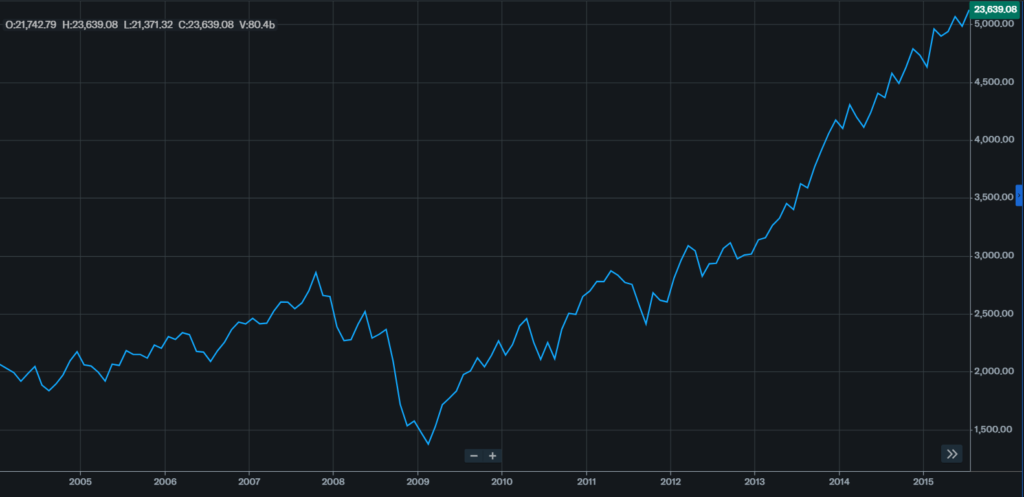
2. The Reckoning Phase: Holding Your Nerve
Subsequently, the market enters the “Reckoning Phase.” This is where the reality of overvaluation sets in, triggering widespread panic and sell-offs. During this period, the Mark Tilbury stock market crash strategy emphasizes mental discipline. Most people’s first reaction is to sell their investments to “cut their losses.” However, if you believe in the fundamentals of a company, you must hold firm. Furthermore, utilizing “Dollar Cost Averaging” allows you to buy more shares at lower prices. In contrast to those who panic, successful investors view this phase as a massive “clearance sale” for high-quality assets.
3. The Phoenix Phase: Rising from the Ashes
Finally, we reach the “Phoenix Phase.” In this final stage, the market begins to recover and rebuild, eventually pushing beyond previous record highs. History consistently demonstrates that a bull market almost always follows a bear market. As a result, the seeds of a massive fortune are often sown during the times of greatest uncertainty. By maintaining a diversified portfolio and staying consistent, you stand a much better chance of reaching millionaire status.
Recommended Reading
- 7 Proven Side Hustles for Students in 2026: Mark Tilbury’s Blueprint to $10k/Month
- How to Start Investing: A Simple Guide for Complete Beginners
- Passive Income Strategy: Scott Galloway’s $3M Lesson on Building Wealth
FAQ: Learning from a Pro
How often does a market correction happen? On average, a market correction (a 10% drop) happens every 1.2 years. Because they are so common, you should treat them as a regular part of your investing journey rather than a reason to worry.
What is Mark Tilbury’s advice on using margin? Mark Tilbury strongly advises against using margin or leverage, especially during volatile times. This is because a margin call can force you to sell your stocks at the bottom of the market. Consequently, many investors go from millionaire status to broke simply because they borrowed too much.
How much should I keep in my emergency fund? Generally, you should keep three to five months of living expenses in a liquid, high-interest savings account. However, during a potential crash, saving even more cash is a smart move. This ensures you never have to sell your stocks to pay for your daily life.
Why is diversification so important? Specifically, diversification ensures you don’t have “all your eggs in one basket.” For instance, while one sector like Tech might crash 40%, a diversified fund across the total US stock market will help spread the risk and protect your total capital.
Sources & References
- Original Insights: Mark Tilbury (Self-made millionaire & Educator).
- Investopedia: What Is a Correction?
- Covenant Wealth Advisors: Understanding Stock Market Corrections and Crashes
- Investopedia: Understanding Bear Markets: Phases, Examples, and Investment Tips
- Kiplinger: How Often Bear Markets Occur and 7 Other Facts About Them
- Hartford Funds: 10 Things You Should Know About Bear Markets
- Wikipedia: 2008 Financial Crisis, the Housing Boom
- Wikipedia: Non-fungible token, NFT
- Yahoo Finance: NASDAQ Composite Charts, Data & News
- Philosophy: Long-term compounding and the “Tortoise and the Hare” approach to wealth.