If you are looking for the most efficient way to build wealth in 2026, you must understand the Exchange-Traded Fund (ETF).
In the past, individual investors were often forced to choose between the high risks of picking single stocks or the high fees of traditional mutual funds. Today, ETFs have bridged that gap, offering a “best of both worlds” solution that has revolutionized the stock market.
The Simple Definition: What is an ETF?
An Exchange-Traded Fund (ETF) is a type of investment fund that holds a collection of assets—such as stocks, bonds, or commodities—and trades on a public stock exchange, just like an individual stock.
Think of an ETF as a basket of goods. Instead of buying one apple (one stock), you are buying a pre-packaged basket that contains apples, oranges, and bananas (a diversified portfolio). Because the basket is traded on an exchange, you can buy or sell it anytime the market is open.
How Do ETFs Work?
ETFs are designed to track the performance of a specific index, sector, or commodity. For example, a popular ETF might track the S&P 500, giving you instant exposure to the 500 largest companies in the U.S. with a single click.
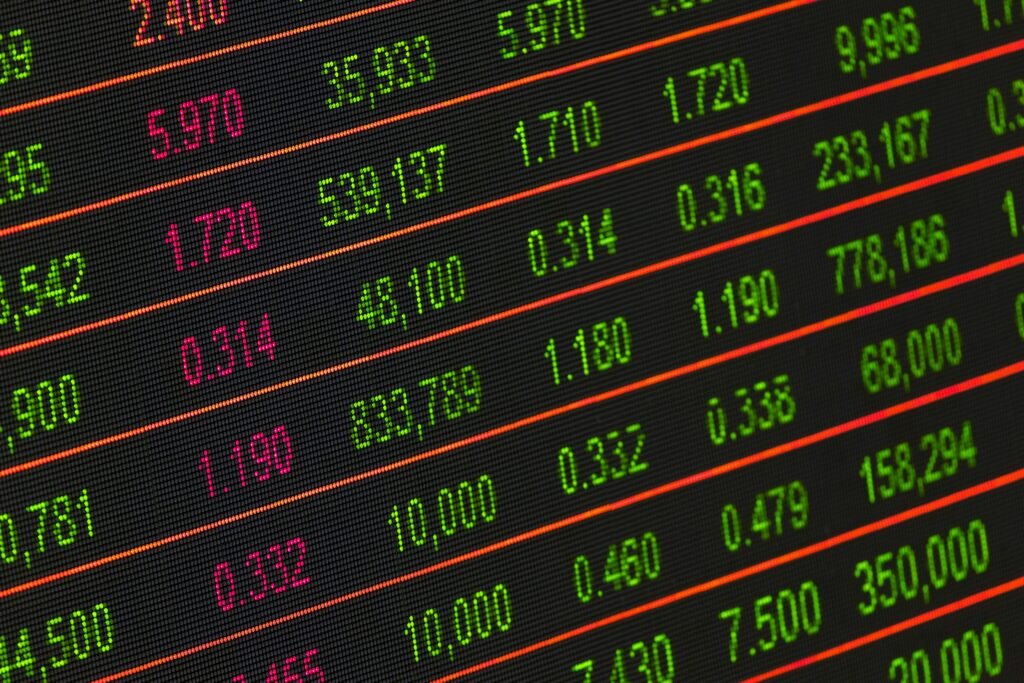
Unlike mutual funds, which only price once at the end of the day, ETF prices fluctuate throughout the trading session. This provides “intraday liquidity,” allowing investors to react to market news in real-time.
3 Reasons Why ETFs are Dominating the Market
- Lower Costs (Expense Ratios): Because most ETFs are passively managed (they simply track an index), they don’t require expensive fund managers. This results in much lower fees than traditional mutual funds.
- Instant Diversification: Buying one share of an ETF can give you exposure to hundreds, or even thousands, of different companies. This drastically reduces the risk of one single company’s failure hurting your entire portfolio.
- Tax Efficiency: Due to the unique way ETFs are “created” and “redeemed” by institutional investors, they generally generate fewer capital gains distributions than mutual funds, keeping more money in your pocket.
ETF vs. Mutual Fund: Which is Better?
| Feature | Exchange-Traded Fund (ETF) | Mutual Fund |
| Trading | Throughout the day (Like a stock) | Once per day (After market close) |
| Minimums | Cost of 1 share (often very low) | Often $1,000 to $3,000+ |
| Fees | Generally very low | Can be high (Active management) |
| Transparency | Holdings disclosed daily | Holdings disclosed quarterly |
The Most Common Types of ETFs in 2026
- Stock ETFs: Tracks a basket of equities (e.g., S&P 500, Tech Sector, Emerging Markets).
- Bond ETFs: Provides exposure to government or corporate debt for steady income.
- Commodity ETFs: Tracks the price of physical assets like Gold, Silver, or Oil.
- Themed ETFs: Targeted investments in trends like AI, Green Energy, or Cybersecurity.
How to Start Investing in ETFs
Getting started is simpler than it has ever been. To buy your first ETF, follow these three steps:
- Open a Brokerage Account: Use a platform like Fidelity, Vanguard, or Schwab.
- Research the Ticker Symbol: For example, VOO (Vanguard S&P 500) or SPY (SPDR S&P 500).
- Place Your Trade: Decide how many shares you want and click “Buy.”
Final Thought: The Simple Path to Wealth
For most investors, the secret to success isn’t outsmarting the market; it’s staying in the market. By utilizing low-cost, broad-market ETFs, you can follow the Simple Path to Wealth and let the power of compounding do the heavy lifting for you.

Disclosures: Some of these links may be affiliate links, meaning we may earn a small commission at no additional cost to you. This support allows us to keep providing high-quality, ad-free financial insights.
The information provided in this article is for educational and informational purposes only and should not be construed as professional financial advice. Investing in ETFs involves risk, including the possible loss of principal. We highly recommend consulting with a certified financial advisor before making any major investment decisions.