The financial world has reached a tipping point. The Forbes World’s Billionaires 2026 list has just been released, and the data is staggering: a record-breaking 35 individuals have amassed ten-digit fortunes before the age of 30.
While these young titans represent just 1% of the world’s 3,428 billionaires, they represent 100% of the future. Worth a collective $92.4 billion, this group isn’t just getting rich; they are rewriting the rules of wealth creation through AI, prediction markets, and “vibe coding.”
The New Speed of Wealth: Faster Than Zuckerberg
For two decades, Mark Zuckerberg was the gold standard for young, self-made success. In 2026, that record has officially been erased.
Surya Midha, the co-founder of AI recruiting powerhouse Mercor, has unseated Zuckerberg as the youngest self-made billionaire ever. Born to Indian immigrant parents in the Bay Area, Mida—alongside his 22-year-old co-founders—now controls a massive stake in a company that is fundamentally changing how the world hires. Their rise proves that in the age of AI, “founder-market fit” is being replaced by “speed-to-scale.”

The Self-Made Shift: From Ballerinas to Prediction Markets
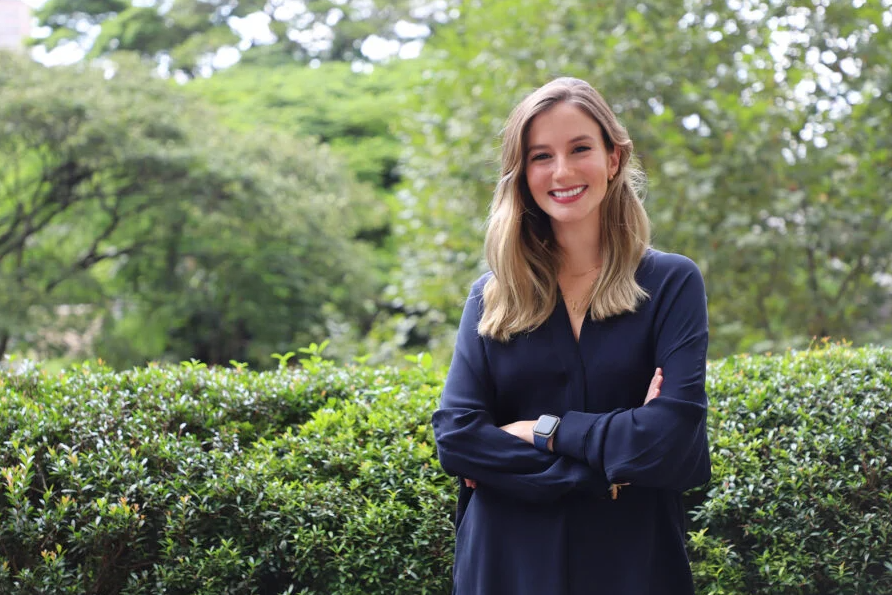
One of the most compelling stories on the Forbes World’s Billionaires 2026 list is Luana Lopes Lara. Her journey is a masterclass in unconventional high-performance:
- The Pivot: A former professional ballerina in Austria.
- The Pedigree: MIT graduate and national debate champion.
- The Prize: Co-founder and COO of Kalshi.
Lara has unseated tech icons like Taylor Swift and Lucy Guo to become the world’s youngest self-made woman billionaire. Her 12% stake in the prediction market firm Kalshi highlights a growing trend: the commodification of “truth” and future outcomes.
The AI “Vibe Coding” Explosion
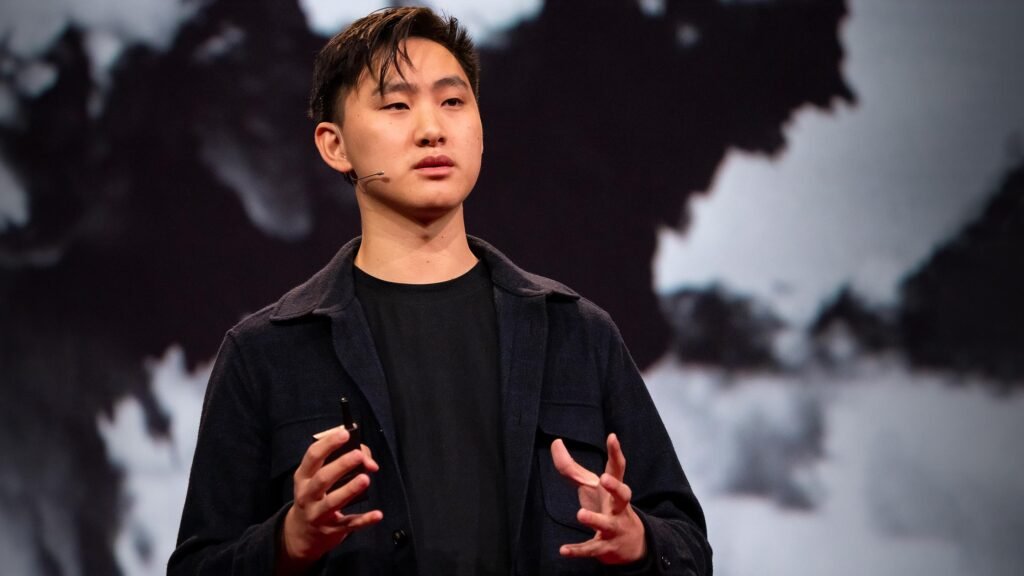
The 2026 list highlights a massive concentration of wealth in the AI sector. Alexandr Wang, the founder of Scale AI, recently solidified his legend status. In a landmark deal, Meta acquired 49% of Scale AI for $29 billion, appointing Wang as Meta’s Chief AI Officer.
Wang’s trajectory—from data labeling to becoming a cornerstone of the Meta ecosystem—shows that the most valuable “real estate” in 2026 isn’t land; it’s the data used to train the next generation of intelligence.
Legacy vs. The New Guard
Despite the tech surge, traditional industries and legacy wealth still hold significant ground:
- Amelie Voigt Trejes (Age 20): The world’s youngest billionaire overall. She holds a 2% stake in the Brazilian industrial titan WEG, founded by her grandfather.

- Alexandra Andresen: Representing the Norwegian “Ferd” empire, Anderson proves that long-term investment in finance and Nordic private companies remains a rock-solid path to multi-generational wealth.

Final Verdict: The 2026 Wealth Blueprint
The takeaway from this year’s Forbes report is clear: Complexity is the new currency. Whether it is through industrial machinery or AI vibe coding, the youngest members of the 1% are those who can navigate high-complexity systems with “fire in the gut”—a trait shared by legends like Jamie Dimon and the new guard of Gen Z.