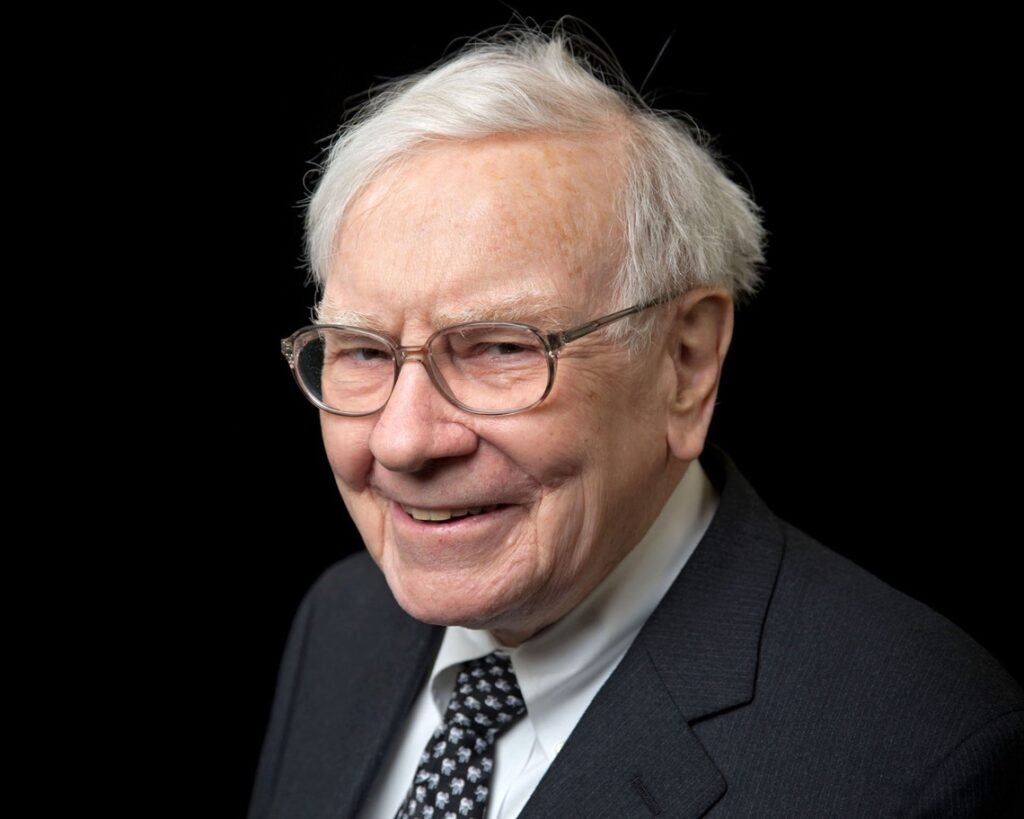
For decades, we’ve been told that a home is the “best investment” a person can make. We’re told that renting is “throwing money away” and that real estate is a safe, reliable way to build a fortune.
But if you look at the math through the eyes of JL Collins, author of The Simple Path to Wealth, you’ll find that your home is not an investment at all. In fact, it might be the single biggest drain on your financial freedom.
The “Brutal Characteristics” of a Bad Investment
In a viral piece for his blog, jlcollinsnh.com, Collins outlines why a primary residence fails almost every test of a “good” investment. If you were pitched an investment with these traits, you’d run the other way:
- It is a relentless drain on cash: Unlike a stock that pays you dividends, a house demands an endless parade of repairs, maintenance, and insurance.
- It is immobile: You are tied to the fortunes of one single neighborhood. If a local plant closes or taxes skyrocket, your net worth vanishes with it.
- It has massive transaction costs: It typically costs 5-10% in commissions and fees just to buy and sell the asset.
- It is “unproductive”: A house produces nothing. It just sits there, slowly crumbling into dust unless you dump more money into it.
Leverage: The Siren Song of Real Estate
Proponents of housing often point to leverage (your mortgage) as the secret sauce. They argue that because you put 20% down, a 5% increase in home value is actually a 25% return on your cash.
Collins warns that this is a double-edged sword. Leverage magnifies gains, but it also magnifies losses. If the market dips just 20%, your entire down payment is wiped out, but you still owe the bank 100% of that loan. As Collins told Hasan Minhaj: “You shouldn’t think of your house as an investment. Sometimes it works out… but it’s just a place to live”.
The Opportunity Cost of Your Down Payment
The biggest “hidden” cost of a house is what that money could have been doing elsewhere. This is the Opportunity Cost.
Imagine taking a $100,000 down payment and putting it into a low-cost total stock market index fund (like VTSAX) instead. While your house is busy “eating” your cash through property taxes and new water heaters, the index fund is quietly compounding. Over 30 years, at an 8-10% historical average, that $100k could grow into **$1.7 million or more**—all without you ever having to mow a lawn or fix a leaky roof.
Is Buying a House Always Wrong?
No. But Collins insists you should view it as a lifestyle choice, not a financial one.
If you want a yard for your dog, a specific school district for your kids, or the freedom to paint your walls neon green—buy the house. But do so knowing that it is an expense, similar to buying a nice car or a high-end vacation.
“If building wealth is your key goal, then, no, owning a house is not going to contribute to that.” — JL Collins
Master the Simple Path
If you’re ready to stop “catering to the king” and start buying your freedom, you need to understand the full mechanics of the Simple Path.
📚 Read The Simple Path to Wealth by JL Collins This is the “Bible” of the FIRE movement. It explains exactly how to ignore the noise of real estate and crypto to build a legacy through simple, low-cost indexing.
📚 Check out Pathfinders by JL Collins Need proof that this works? This book features 100+ stories of real people who used these “boring” rules to retire decades early.