Affiliate Disclosure: This article contains affiliate links. If you purchase books through these links, we may earn a commission at no additional cost to you.
Introduction: The Value of Understanding Debt Cycles
Few people explain the economy as clearly as Ray Dalio. In a recent Modern Wisdom interview clip, he breaks down how the debt cycle works, why it’s simple, and why ignoring it is dangerous.
This article explains Dalio’s framework exactly as he described it — in plain language — and shows how you can apply the same thinking he uses when analyzing governments, markets, and economic risk.
This is also a great moment to revisit Dalio’s classic books – You can find them down the article.
Dalio’s Big Idea: The Economy Works Like Your Body’s Circulatory System
“The system works like the circulatory system of your body… nutrients in the form of buying power… through credit.” Ray Dalio How Debt Cycles Work
Dalio begins with a simple analogy:
Credit = blood flow.
Debt = the by-product of credit.
Just like your arteries can clog, an economy can get clogged with too much debt, limiting its ability to move money through the system.
Credit Creates Growth… If You Earn Enough to Pay It Back
“If it produces enough income to pay back the credit… you have a healthy system.” Ray Dalio How Debt Cycles Work
Dalio outlines the core rule of debt cycles:
✔ Healthy debt: Borrow → Invest → Earn more → Repay
✖ Unhealthy debt: Borrow → Spend → Can’t repay → Debt snowballs
This mechanism applies to:
- individuals
- companies
- and governments
The difference?
Governments can tax and print money, which changes how the cycle plays out.
Why Governments Get Into Trouble: The Simple Math
Using U.S. numbers, Dalio explains what’s happening now:
✔ Government spending: $7 trillion
✔ Government income (taxes): $5 trillion
➜ Annual deficit: $2 trillion
“It’s spending 40% more than it’s taking in.” Ray Dalio How Debt Cycles Work
Meanwhile:
- $1 trillion = interest payments
- $9 trillion = existing debt expiring and must be refinanced
- Total new debt to sell = $12 trillion
The Core Danger: What If Buyers Don’t Want Your Debt?
“If they believe it’s not a good storehold of wealth… they may sell the old debt… interest rates go up.” Ray Dalio How Debt Cycles Work
Dalio outlines the mechanics:
- Nations issue debt.
- Investors must want that debt.
- If they don’t:
- prices fall
- yields rise
- borrowing becomes harder
- the system strains
Foreign buyers (China, Japan) historically purchased U.S. debt — but Dalio notes geopolitical tensions and oversupply are reducing their appetite.
The Central Bank’s Role: The “Printer of Last Resort”
“Central banks print money and buy the debt… they always do that.” Ray Dalio How Debt Cycles Work
When demand for debt falls, central banks step in:
- They print money
- They buy government bonds
- This keeps interest rates from exploding
- But increases the money supply
This process is at the core of Dalio’s long-term debt cycle framework.
Dalio’s Current Warning: Debt Service Is Squeezing Out Everything Else
“Debt service payments are squeezing out other spending.” Ray Dalio How Debt Cycles Work
Just like clogged arteries:
- More money goes to interest
- Less money goes to productive spending
- The economy becomes fragile
- Borrowing rises faster than income
This is why Dalio believes we’re entering a late-stage debt cycle.
Suggested Ray Dalio Books
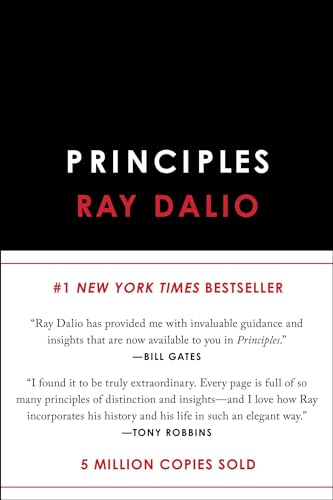
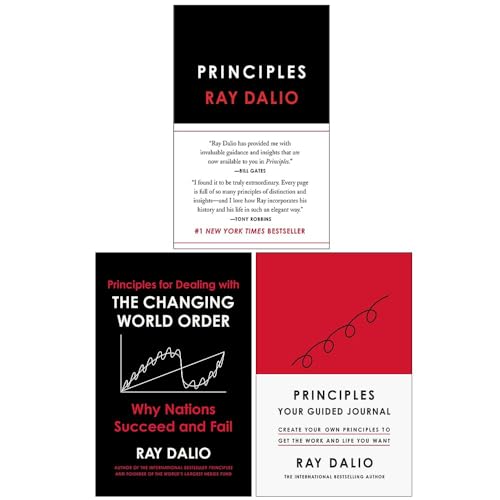
These books explain exactly what Dalio covers in this clip — but in much more depth.
1. Principles
https://amzn.to/44O9Ig3
2. Big Debt Crises
https://amzn.to/4iAhsYX
3. Principles for Dealing With the Changing World Order
https://amzn.to/48eEkcU


Also read
- Is Another 1929 Possible? What Ray Dalio Actually Says About Market Crashes
- OpenAI Declares “Code Red” as Google Gemini Threatens ChatGPT’s Market Position
- Morgan Housel Money Advice: The Untold Lessons From His Interview With Jay Papasan
Conclusion
Dalio’s explanation of debt cycles is simple, but the implications are enormous.
This video clip is one of the clearest introductions to:
- how credit works
- why debt grows
- what causes financial stress
- why interest rates rise
- and how governments get stuck