The author of “The Psychology of Money” keeps his entire net worth in just three things. His parents, with zero financial background, are in the top 3% of investors. Here’s why endurance beats genius.
The Portfolio You Can Explain to a Five-Year-Old
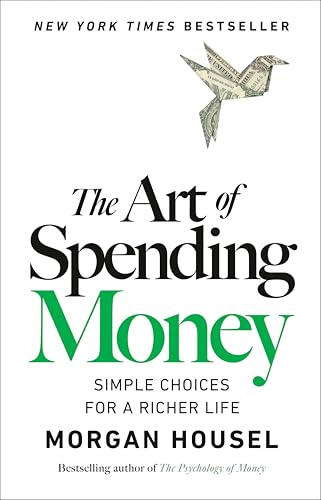
Morgan Housel, author of one of the bestselling finance books of this decade, manages his entire net worth with painful simplicity:
- Cash
- A house
- Index funds
That’s it. No hedge funds. No private equity. No complicated tax schemes. One bank account. One brokerage account. One house.
When asked to check his portfolio before an interview, he couldn’t remember his password. And he’s proud of that fact.
Why “Losing Your Password” Is Actually a Strategy
“Successful investing is when you lose the password to your investment account,” Housel explains. It means you haven’t checked it in forever—and that’s exactly the point.
When you can’t access your account, you can’t panic sell during crashes. You can’t get greedy during bubbles. You can’t make the emotional decisions that destroy wealth.
The inability to act becomes your greatest advantage.
The Parents Who Accidentally Beat Wall Street
Here’s a story that should be taught in every business school:
Housel’s parents have no financial background and “minimal financial interest.” But they dollar cost averaged into index funds for 40 years. They never sold. Not during recessions. Not during booms. Never.
Result: They’re now in the top 3% of professional investors.
Not because they’re brilliant. Not because they timed anything. But because they did something extraordinarily rare in modern finance: nothing.
Endurance Over Excellence
“The variable I want to maximize for in my investments is endurance,” Housel states flatly.
He’s not claiming nobody can beat the market. He knows smart people who do it. But beating the market isn’t his goal.
His goal: Earn average returns for an above-average period of time.
If you can do that, you’ll finish in the top 5% of all investors. Not because you’re smarter than everyone else. Because you showed up consistently for decades while others quit.



The Math That Changes Everything
The formula for compound interest is essentially: Returns ^ Time
In that equation, time is the exponent. And in exponential growth, the exponent does all the heavy lifting.
Your ability to generate wealth over the next year or five years? Irrelevant.
What matters is the returns you can sustain for 50 years.
You could double your money this year and next year. But if you blow up in year three and quit, you’ve already lost to the person earning 8% annually for four decades.
Warren Buffett: The Case Study That Proves Everything
Want proof? Let’s talk about the world’s most famous investor.
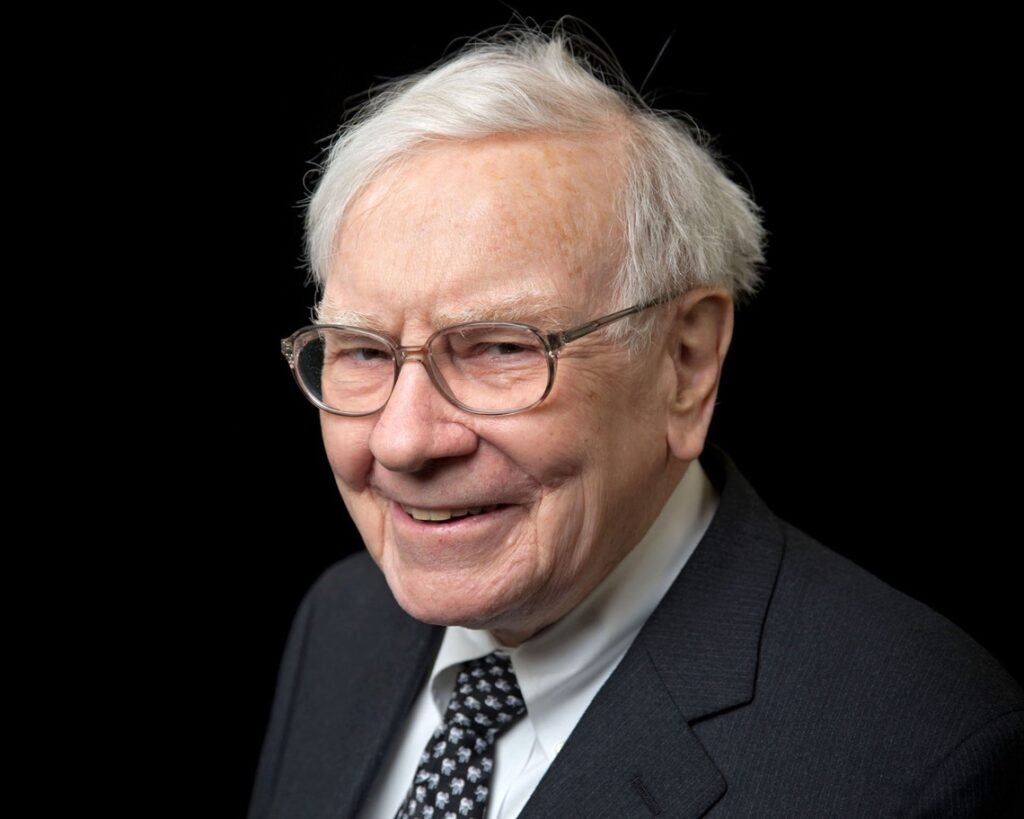
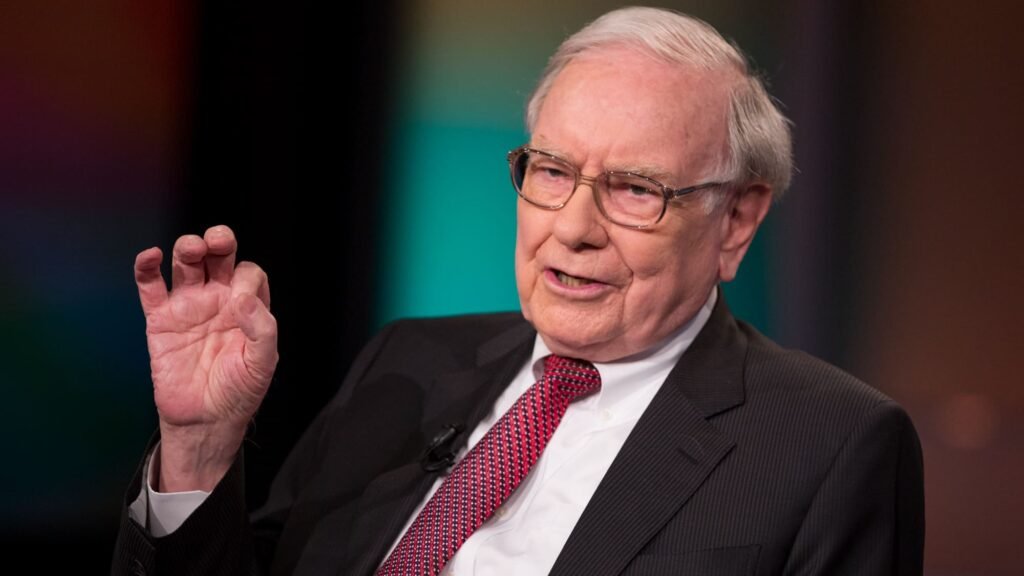
99% of Warren Buffett’s net worth was accumulated after his 60th birthday.
At age 60, Buffett was worth $3 billion. Impressive. Multi-billionaire territory. But now, at 93, he’s worth over $100 billion. He’s also given away more than $100 billion to charity.
If he hadn’t donated, he’d have gone from $3 billion to $200 billion since turning 60.
When Buffett’s net worth increases 10% today, he makes $10 billion—more than three times his entire net worth at age 60.
Is Buffett a genius stock picker? Absolutely. But the real secret isn’t his stock-picking ability. It’s that he’s been doing this non-stop since he was 11 years old.
If Buffett had retired at 60, you’d have never heard of him. He’d be just another Florida billionaire playing golf.
The reason he’s a household name is endurance—80 years of compounding.
What Is Dollar Cost Averaging?
Dollar cost averaging means investing a fixed dollar amount on a regular schedule, regardless of market conditions.
Recession? You invest. Bull market? You invest. Market crash? You invest.
Most people with a 401(k) are already doing this. Every paycheck, money gets automatically invested into their funds. No decisions required.
The alternative? Waking up, watching CNBC, and deciding based on feelings whether today is a good day to invest. That’s how you lose to people who forgot their password.
What Is an Index Fund?
An index fund is a single investment that owns hundreds or thousands of individual stocks.
Buy one share of an S&P 500 index fund, and you own a piece of Apple, Microsoft, Tesla, and 497 other companies simultaneously.
But here’s the better mental model: You’re buying a slice of capitalism itself.
Not a bet on one company. Not a gamble on one sector. A diversified stake in the entire economic engine that’s been growing for centuries.
Why Not Just Pick Winning Stocks?
“I’m not one of the people who says nobody can beat the market,” Housel clarifies. “I think it’s extremely hard, and very few people will do it, but I think there are really smart people who can.”
He knows people he could invest with. The reason he doesn’t isn’t because he doesn’t believe it can be done.
It’s because he wants to maximize endurance, not returns.
Picking stocks requires constant attention, emotional control during volatility, and the ability to be right more often than the market. Even if you can do it for 5 or 10 years, can you sustain it for 50?
Index funds remove that pressure entirely.
The Contrast: Emotion vs. Automation
Emotional investing: “I’m going to buy and sell based on how I feel. I watch CNBC, decide to sell, and put money back in when I feel better about the market.”
Dollar cost averaging: “$100 goes into my index fund on the first of every month. Come hell or high water. Recession, boom, or bust.”
One strategy requires constant decisions. The other requires no decisions.
Guess which one wins over 40 years?
The Forgotten Password Philosophy
When you lose your password, you’ve achieved something profound: you’ve removed yourself from the equation.
You can’t make stupid decisions. You can’t panic. You can’t chase hot stocks. You can’t sell at the bottom.
The investor who forgets their password often outperforms the investor who checks their portfolio daily, because behavior with money is more important than intelligence.
Why Crypto and Individual Stocks Usually Lose
“If I was your son,” the interviewer asks, “how would you prove this is better than buying crypto or companies I use?”
Housel’s answer: “Your ability to do well over the next one year or five years has no role whatsoever on your lifetime ability to generate wealth.”
It doesn’t matter if you double your money on crypto this year. What matters is whether you can sustain a strategy for 50 years.
Can you hold Bitcoin through 80% crashes without selling? Can you watch your favorite stock drop 60% and buy more? Can you resist every impulse to “do something” for four decades?
If not, you’ll lose to the person who automated their investments and forgot the password.
The Top 5% Is Easier Than You Think
Average returns over an above-average time period will put you in the top 5% of all investors.
Most people can’t do this—not because they’re not smart enough, but because they can’t resist tinkering.
They get bored. They chase performance. They panic during crashes. They get greedy during booms.
The index fund investor with the forgotten password sidesteps all of it.
The Three-Item Portfolio
Back to Housel’s portfolio:
- Cash – For emergencies and peace of mind
- A house – To live in, not as an investment
- Index funds – For long-term wealth building
Plus a few equity positions in companies where he serves on the board—but that’s professional, not personal investment.
No complexity. No stress. No CNBC. No daily checking.
Just automatic investments into index funds, month after month, decade after decade.
The Verdict: Endurance Beats Everything
You don’t need to be the smartest investor. You don’t need to pick the next Apple. You don’t need to time the market.
You need to show up consistently for longer than everyone else can stand.
That’s it. That’s the secret.
Warren Buffett made 99% of his wealth after 60 because of endurance.
Housel’s parents are top 3% investors because of endurance.
The forgotten password works because it forces endurance.
The investment strategy that beats 95% of professional investors isn’t complicated. It’s boring. It’s automatic. It’s forgettable.
And that’s exactly why it works.
Read also:
- Ray Dalio: Why America Is Losing the Technology War to China
- The Brutally Simple Investment Strategy That Beat 97% of Wall Street
Morgan Housel is the author of “The Psychology of Money,” which has sold over 4 million copies worldwide and been translated into more than 50 languages.