
J.L. Collins, author of the legendary finance book The Simple Path to Wealth, often says that “investing is 99% psychology and 1% math”. To master that 99%, he suggests stepping away from the spreadsheets and into the minds of great thinkers. This guide is written based on the JL Collins book recommendations.
In this guide, we break down his top recommendations into three key categories: The Pillars of Wealth, The Mindset of a Rationalist, and The Human Story.
Section 1: The Pillars of Wealth (Non-Fiction)
These are the technical and historical foundations of the FIRE (Financial Independence, Retire Early) movement. If you want to understand how money actually works, start here.
1. The Simple Path to Wealth by J.L. Collins
The gold standard for index fund investing. Collins explains how to ignore the noise of Wall Street and buy your freedom using low-cost VTSAX.
J.L.’s Take: “Avoid debt. Live on less than you earn. Invest the difference.”

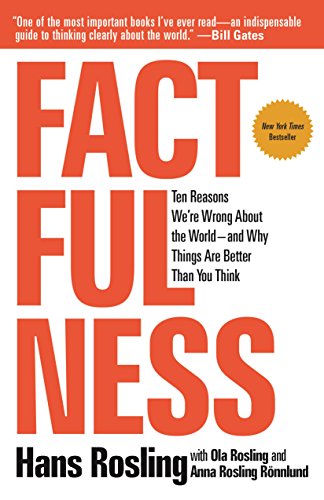
2. Factfulness by Hans Rosling
Collins recommends this to anyone who wants to understand capitalism and the world’s progress without political bias. It uses objective data to prove that, despite the news, the world is getting significantly better across almost every metric—from child mortality to global income.
3. Pathfinders by J.L. Collins
This is a collection of 100 stories from people around the globe who applied the “Simple Path” principles to their unique lives. It proves that financial independence isn’t just for Silicon Valley engineers; it’s accessible to anyone, from migrant fruit pickers to retirees.

Section 2: The Mindset of a Rationalist
Investing is an “avocation” for Collins, and these books help you build the mental fortitude to stay the course when the market gets volatile.
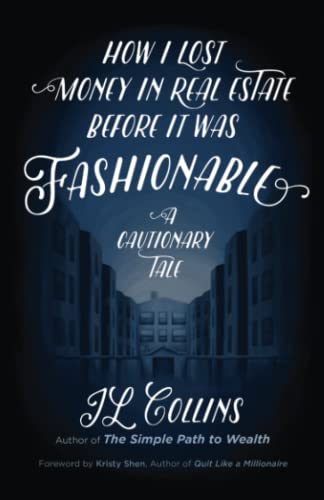
4. How I Lost Money in Real Estate Before It Was Fashionable by J.L. Collins
A cautionary, humorous tale about the pitfalls of real estate investing. Collins shares his personal disaster buying a condo in Chicago to help others avoid being “seduced” by the hype.
5. The Parable of the Monk and the Minister (Concept)
While not a full book, Collins frequently references this story to define his worldview. It contrasts the “minister,” who caters to the King for luxury, with the “monk,” who learns to live on rice and beans so he doesn’t have to cater to anyone.
J.L.’s Take: “If you can learn to live on rice and beans, you wouldn’t have to cater to the king.”
Section 3: Recommended Reading for the “Human Story” (Fiction & Narrative)
Collins often suggests that reading about history and human nature is more valuable than reading a 10-K report.


Final Thoughts from J.L. Collins
When building your library, remember J.L.’s core philosophy: you aren’t just buying books; you are buying the tools to secure your freedom. As he often reminds his readers, “Money is the single most powerful tool we have in this modern world. It can be a master or it can be a servant.”






Pingback: JL Collins Investment Portfolio: What Does He Invest In?