
In a recent interview clip from The Diary of a CEO, bestselling author Morgan Housel shared something surprising:
“Only about 5% of the general population could articulate what a tariff is.”
Even among highly educated friends, he says people confuse what tariffs actually do — and who really pays for them.
Tariffs are one of the most powerful forces in global economics, yet easily misunderstood. And when misunderstandings scale to a national level, entire countries can make catastrophic decisions.
Watch the Video: Morgan Housel Explains Tariffs (Diary of a CEO Clip)
What Morgan Housel Says a Tariff Actually Is (Using His Exact Words)
Morgan begins by saying most people believe:
- “China pays the tariff”
- “Tariffs hurt foreign countries”
- “Tariffs are a punishment”
But as he explains, that’s usually wrong.
“The importer — Apple, in this case — pays the tariff when the product arrives at the United States port.”
He uses the example of an iPhone manufactured in China:
✔ China makes the iPhone
✔ Apple ships it to the U.S.
✔ When it reaches the port, Apple pays the tariff
✔ Apple then passes the cost to you, the customer
Just like a sales tax or VAT, the consumer ultimately pays.
“Even if the tax is put on the seller, the seller passes it on to you, the customer.”
This is the key misunderstanding Housel says nearly everyone gets wrong.
Why Tariffs CAN Make Sense (According to Housel)
Unlike political commentators who treat tariffs as “good or bad,” Morgan emphasizes nuance:
“This is not black and white… there can be a very good useful purpose for them.”
He uses two powerful examples:
1. Medical Supplies (N95 Masks)
During COVID, the U.S. relied almost 100% on foreign manufacturers for masks — a national vulnerability.
“You do not want to be in that situation.”
A tariff here forces domestic production → national security.
2. Military Gear
You cannot go to war with a country whose factories produce your weapons or armor.
Housel says tariffs here are smart, strategic, necessary.
When Tariffs Become a Catastrophic Mistake
This is the heart of his argument.
“When you have a blanket tariff… it has the potential to be a catastrophe.”
Blanket tariffs are:
- across all products
- across all industries
- across all countries
- or disproportionately high for specific nations (like 145%)
The problem?
❌ They don’t bring jobs back
❌ They raise prices dramatically
❌ They lead to trade wars
❌ They harm everyone involved
Morgan uses a powerful analogy:
“Tariffs are like processed sugar for economists — nobody thinks trade wars are good.”
Economists debate many things.
Trade wars are not one of them.
They’re universally known to be harmful.
The 1930s Lesson — When Tariffs Turned a Recession Into the Great Depression
Morgan references history:
“In the early days of the Great Depression, we put huge tariffs on… and it shut down global trade.”
He is referring to the Smoot-Hawley Tariff Act of 1930, widely credited with worsening the economic collapse.
What happened:
- U.S. raised tariffs
- Other countries retaliated
- Global trade fell by 40%
- Farmers, manufacturers, banks collapsed
- Unemployment skyrocketed
Tariff wars → trade wars → economic destruction.
Housel calls it mutually assured destruction, economically speaking.
Why This Matters to Investors (Morgan Housel’s Perspective)
Morgan doesn’t say “tariffs will cause a crash.”
He doesn’t predict timelines.
He doesn’t do fear-mongering.
Instead, he teaches:
1. Understand first principles
Tariffs = taxes on imports = consumers pay.
2. Global trade is interconnected
Economies rely on international supply chains.
3. Trade wars create unpredictable shocks
Volatility, shortages, inflation — real risks for investors. 4. Big economic mistakes compound over time
Tariffs alone won’t crash an economy.
But layered with:
- debt
- inflation
- geopolitics
- elections
- supply chain dependencies
…they can create fragile conditions.
This aligns with Housel’s core idea:
“Risk is what you don’t see coming, and what you haven’t experienced.”
📚 Best Morgan Housel Books (Amazon Links Included)
These books connect perfectly to the tariff discussion because they deal with:
- Uncertainty
- Behavior
- Risk
- Irrationality
- History
- Incentives
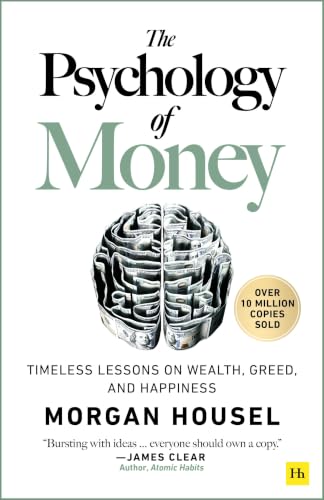
1. The Psychology of Money
The #1 personal finance book on Amazon for good reason.
Teaches how people misunderstand money, risk, and behavior.
2. Same As Ever
A brilliant book showing how human behavior repeats — including economic mistakes like tariffs & trade wars.

FAQs: What People Also Ask About Morgan Housel
❓ Is Morgan Housel a millionaire?
Morgan does not publicly disclose his net worth.
But he is:
- A bestselling author
- A partner at Collaborative Fund
- A highly sought-after speaker
It is reasonable to say he is financially successful — but no verified number exists.
❓ What does Morgan Housel invest in?
Morgan has said publicly he keeps his investing extremely simple:
✔ Mostly index funds
✔ Long-term perspective
✔ Low-cost strategies
✔ Avoids forecasting
✔ Focuses on behavior, not predictions
(Source: his blog, essays, and multiple interviews.)
❓ Does Morgan Housel share his portfolio?
No.
He shares principles, not positions.
❓ What is Morgan Housel’s investment strategy?
Based on his writing:
- Long-term investing
- Simplicity
- Diversification
- Avoid leverage
- Don’t time markets
- Behave well > be smart
Again: principle-driven, not position-driven.
❓ What is Morgan Housel’s age?
He was born in 1984 (publicly available info).
Why This Clip Matters: A Lesson in Clear Thinking
The real value of Morgan Housel’s tariff explanation isn’t just economics — it’s thinking.
He shows:
- Why simple ideas get misunderstood
- How incentives shape outcomes
- Why complexity leads to bad decisions
- How history repeats
- How misunderstandings create systemic risk
Tariffs are just the example.
The lesson is about clarity.
Or as Housel would say:
“The trick is not being the smartest person — it’s avoiding the most common mistakes.”
Conclusion: Understanding Tariffs Is Not About Politics — It’s About Reality
Whether you agree with tariffs or not, Morgan Housel’s point is simple:
Most people don’t understand them.
Most leaders misunderstand them.
Most voters don’t see the second-order effects.
And trade wars hurt everyone.
When big national decisions are misunderstood, the consequences compound.
This is why investors must care.
Disclosure: This post contains affiliate links. If you make a purchase through these links, I may earn a small commission at no extra cost to you.




Pingback: Justin Wolfers: Trump’s $2,000 Tariff Dividend “Doesn’t Add Up”