When it comes to legendary investors, few names carry as much respect—and curiosity—as Peter Lynch, the man who turned Fidelity’s Magellan Fund into one of the most successful mutual funds in history.
In a recent interview on The Compound and Friends, Lynch didn’t talk about fancy trading systems or complex formulas. Instead, he shared simple, profound lessons that can change the way you think about investing.
And the best part? You don’t need to be a Wall Street insider to understand them.
From Golf Caddy to Investing Icon
Lynch’s journey started far from the trading floor — on a golf course, carrying clubs for executives who chatted about stocks between swings.
“I was a caddy, and people would talk about what stocks they were buying. I’d look them up later—and a few months after, they were higher,” Lynch recalled.
That curiosity led him to Fidelity in the 1960s, where he worked his way up from analyzing dull industries like textiles and steel to managing billions in assets.
The lesson? Great investors don’t start with luck. They start with observation and curiosity.
The Most Important Rule: Know What You Own
Lynch is famous for his no-nonsense approach, and his golden rule still holds true today:
“If you don’t understand what you own, you’re toast.”
He told the story of a celebrity investor (yes, that Barbara Streisand) who was losing sleep over her portfolio. When Lynch asked her what her stocks actually did, she couldn’t answer.
That’s when it clicked — most people treat investing like gambling. They buy “hot” stocks without knowing a thing about the companies behind them.
If you can’t explain to an 11-year-old what a company does and why you believe in it, you shouldn’t own it.
Want to dive deeper into this philosophy?
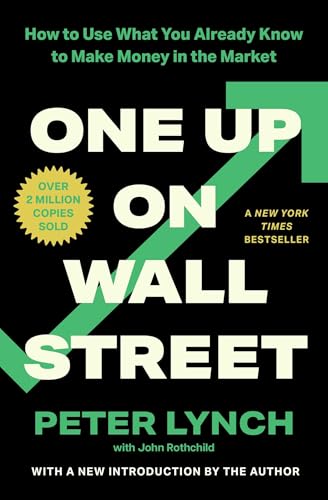
👉 Check out Peter Lynch’s classic book One Up On Wall Street — it’s a must-read for every investor who wants to think smarter, not harder.
The Real Risk Isn’t Market Crashes — It’s Fear
Lynch’s perspective on market risk is refreshingly human:
“The real key to making money in stocks is not to get scared out of them.”
Markets rise and fall — that’s what they do. But more money, he says, is lost by investors trying to predict downturns than by those who simply ride them out.
He joked, “Economists have predicted 33 of the last 11 recessions.”
The takeaway? Stop trying to outguess the market. Focus on owning great companies and staying patient.
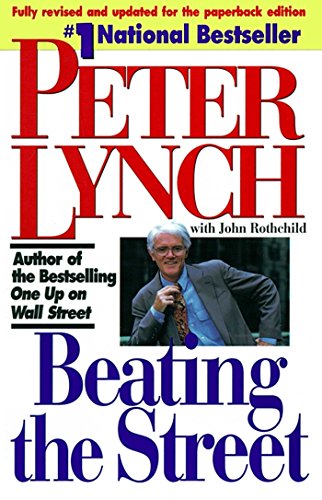
If that mindset sounds familiar, it’s because it’s timeless — the same message echoed in Beating the Street, another Lynch classic that breaks down how he picked winning stocks using common sense.
Write Your Own Story (Literally)
One of Lynch’s best tips isn’t about numbers at all.
He suggests writing a short script before you buy any stock:
- Why are you buying it?
- What’s the story behind it?
- What needs to happen for it to succeed?
If you can’t write that down in a few sentences, you probably don’t understand the investment.
This simple exercise can stop emotional decisions, keep you grounded during volatility, and help you think like a pro.
Want tools to organize your investment notes? Try this sleek investor’s journal — perfect for tracking your stock stories:
👉 https://amzn.to/4p2IEBq
“No Excuses” Investing in the Information Age
Back in Lynch’s day, he had to visit libraries and dig through mailed reports just to find a company’s inventory levels.
Today?
A few clicks, and you can access financial statements, earnings calls, and company roadmaps — all for free.
“It’s too easy now,” he said. “You have no excuse not to know what you own.”
If Lynch built his success on curiosity in the 1960s, imagine what you can do with today’s information at your fingertips.
Final Thoughts: Invest Like You Mean It
Peter Lynch’s advice might sound simple, but that’s the point. Success in investing doesn’t come from complexity — it comes from clarity, patience, and understanding.
So next time you hear a “hot stock tip,” take a breath and ask yourself:
Do I really know what I own?
Remember: the market rewards the curious, not the reckless.
And if you want to think like Peter Lynch — not just trade like him — start by reading the classics that shaped his philosophy: