
Important Disclaimer: This article is for educational purposes only and is not financial advice. I’m not a licensed financial advisor, and nothing here should be considered personalized investment advice. Always do your own research and consider consulting with a qualified financial professional before making investment decisions. Investing involves risk, including the potential loss of principal. This article has affiliate links. If you make a purchase through these links, the author may receive a commission at no additional cost to you.
Ever stared at your bank account and wondered, “How do I make this money actually grow?” You’re not alone. Most people want to invest but don’t know where to start.
Here’s the truth: You don’t need thousands of dollars or a finance degree. You just need to understand your options and take the first step.
In this guide, I’ll break down 8 ways to start investing, ranked from safest to riskiest. Think of it as choosing your own adventure—pick what feels right for your situation.
Why Bother Investing?
Quick reality check: Money sitting in your regular checking account is losing value every day. That’s inflation at work.
Since 1913, the U.S. dollar has lost 95% of its purchasing power. What cost $100 back then costs over $2,000 today.
Investing is how you fight back and actually grow your wealth instead of watching it shrink.
Understanding Risk: Your Most Important Decision
Every investment comes with risk. The key is matching the risk level to your comfort zone.
Higher risk = higher potential rewards (and bigger potential losses)
Lower risk = smaller returns but you sleep better at night
I’ll rate each option on a 1-10 scale so you know exactly what you’re getting into.
Option #1: High-Interest Savings Account (Risk: 1/10)
Best for: Emergency funds and beginners
Before you invest anywhere, build an emergency fund. This is money you can grab immediately when life throws curveballs—car repairs, medical bills, job loss.
Start with a goal of $1,000. Once you hit that, you can start investing.
Where to open one:
- Ally Bank
- Marcus by Goldman Sachs
- Citibank
Look for 0.5-1.0% interest rates with no monthly fees.
How to start:
- Visit the bank’s website
- Open an account (takes 10 minutes)
- Link your current bank
- Set up automatic monthly transfers
Book recommendation: The Total Money Makeover by Dave Ramsey explains emergency funds brilliantly and gives you a complete roadmap for financial stability.

Option #2: Gold (Risk: 2/10)
Best for: Protecting against inflation
Gold has held value for thousands of years. When currencies collapse, gold stays strong.
Here’s the deal: A piece of gold worth $100 in 2000 would be worth around $580 today. The gold didn’t change—the dollar’s value did.
The catch: Gold protects your money but doesn’t really grow it fast. It’s insurance, not a wealth-building tool.
How to invest: Buy gold ETFs through investment apps rather than physical gold (you’ll pay less and can sell faster).
- US: Look for GLD ETF on Robinhood or Fidelity
- UK: Trading 212 or similar platforms
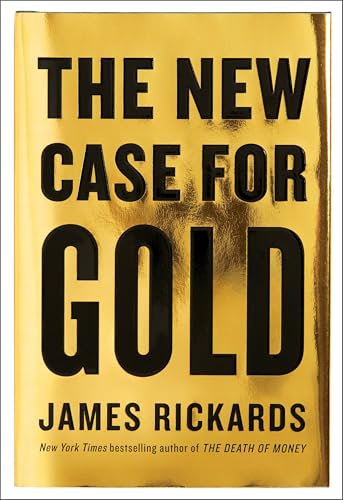
Book recommendation: The New Case for Gold by James Rickards explains why gold matters in modern portfolios and how to use it strategically.
Option #3: Index Funds (Risk: 3/10)
Best for: Long-term wealth building
This is the big one. If you only learn about one investment, make it this.
Warren Buffett bet $1 million that a simple index fund would beat professional Wall Street investors over 10 years. He won.
What’s an index fund? Instead of buying individual stocks, you buy a fund that owns hundreds of companies. With one purchase, you own pieces of Apple, Microsoft, Amazon, Google, and 496 others.
The power of compound interest: Invest $100/month with 7% returns = $123,000 in 30 years You only put in $36,000. The rest is compound interest doing its magic.
Best funds:
- Vanguard S&P 500 ETF (VOO)
- Fidelity 500 Index Fund (FXAIX)
- Schwab S&P 500 Index Fund (SWPPX)
How to start:
- Open a Roth IRA at Vanguard, Fidelity, or Schwab
- Deposit money
- Buy VOO or similar S&P 500 fund
- Set up automatic monthly investments
- Leave it alone for decades
Book recommendation: The Simple Path to Wealth by JL Collins is the ultimate guide to index fund investing. It explains everything in plain English and shows you exactly how to build wealth without complexity.

Option #4: Real Estate Investment Trusts (Risk: 3/10)
Best for: Real estate exposure without buying property
REITs let you invest in office buildings, apartments, shopping malls, and hotels without dealing with tenants or toilets.
By law, REITs must distribute 90% of profits to investors. Translation: regular dividend payments.
Best option: Vanguard Real Estate ETF (VNQ)
- Owns 160+ REITs
- Diversified across property types
- Around 4% dividend yield
How to start: Same process as index funds—open an account, search “VNQ,” and buy.
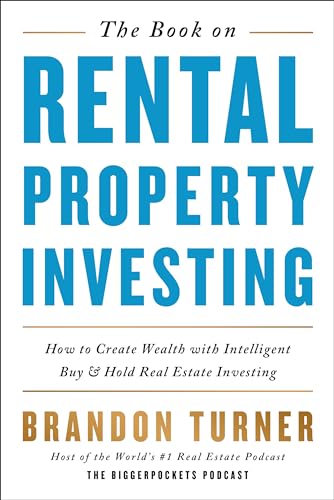
Book recommendation: The Book on Rental Property Investing by Brandon Turner covers real estate investing comprehensively, including REITs as an easy entry point.
Option #5: Buying and Selling Items (Risk: 4/10)
Best for: People with specialized knowledge
This is less “investing” and more “side hustle,” but it can generate quick returns.
The concept: Find undervalued items, buy low, sell high.
Best categories:
- Electronics (phones, laptops, game consoles)
- Collectibles (Pokemon cards, vintage toys)
- Designer items (sneakers, handbags)
- Tools and equipment
Where to find deals: Facebook Marketplace, estate sales, thrift stores
Where to sell: eBay, Facebook Marketplace, Poshmark, Mercari
The key: Stick to what you know. Don’t buy vintage guitars if you don’t know guitars.
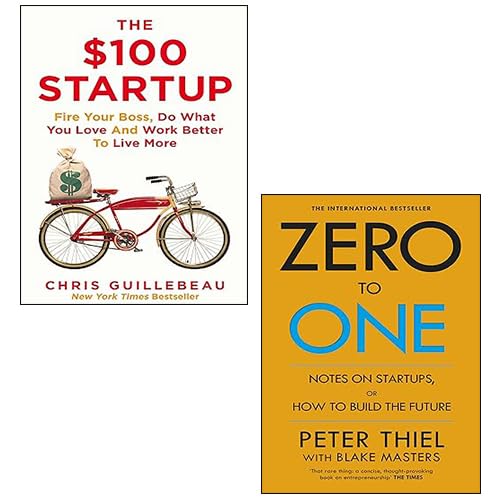
Book recommendation: The $100 Startup by Chris Guillebeau teaches you how to turn small amounts of money into profitable ventures through smart buying and selling strategies.
Option #6: Individual Stocks (Risk: 6.5/10)
Best for: Experienced investors willing to research
Individual stocks can make you rich or wipe you out.
For every Amazon success story, there are 100 companies that went bankrupt (remember Blockbuster?).
Basic research checklist:
- Do you understand what the company does?
- Are they profitable?
- Is revenue growing?
- Will people need this in 10 years?
My rules:
- Never put more than 10% of your portfolio in one stock
- Plan to hold for 5+ years
- Don’t check prices daily
- Ignore hot tips and meme stocks
Platforms: Robinhood, Webull, Fidelity
Book recommendation: The Intelligent Investor by Benjamin Graham is the bible of stock investing. Warren Buffett calls it “the best book on investing ever written.”

Option #7: Cryptocurrency (Risk: 9/10)
Best for: High-risk tolerance only
Crypto is the wild west. Your investment could 10x or drop 80% in months.
Real example: $100 in Bitcoin in 2015 became $5,000 at the peak. But $100 in Bitcoin in December 2017 became $17 by December 2018.
Main cryptocurrencies:
- Bitcoin (BTC) – “Digital gold”
- Ethereum (ETH) – Platform for apps
- Ripple (XRP) – Banking focused
My advice: Only invest money you can afford to lose completely. Make crypto 1-5% of your portfolio maximum.
How to start: Coinbase is the easiest platform for beginners.
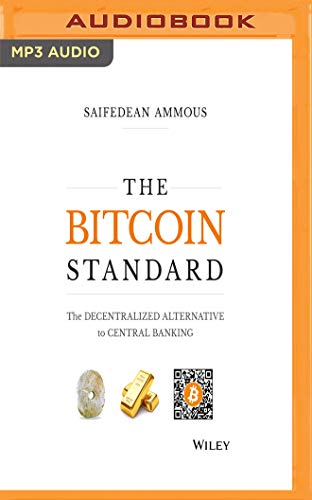
Book recommendation: The Bitcoin Standard by Saifedean Ammous explains cryptocurrency’s economic foundation and why digital currency matters (even if you don’t invest).
Option #8: Lottery (Risk: 10/10)
Best for: Nobody (seriously)
57% of Americans buy lottery tickets. Let me save you the trouble: Don’t.
Your odds of winning are 1 in 14 million. You’re 4,000 times more likely to win an Oscar.
Real test: $100 in scratch-off tickets returned $50. That’s a 50% loss.
If you spent $4/week on lottery tickets instead of investing in an S&P 500 index fund, after 30 years you’d have $25,000 instead of $0.
The lottery is a tax on people who don’t understand math. Don’t be that person.
Your Action Plan: How to Actually Start Today
Phase 1: Foundation (First 3 months)
- Open a high-interest savings account
- Save $1,000 for emergencies
- Read one investing book from this list
Phase 2: Start Investing (Months 3-12)
- Open a Roth IRA at Vanguard or Fidelity
- Invest in an S&P 500 index fund (VOO or FXAIX)
- Set up automatic monthly contributions
- Don’t touch it
Phase 3: Diversify (Year 2+)
- Add REITs (10-20% of portfolio)
- Consider small allocation to gold (5%)
- If you want excitement, add 5-10% to individual stocks
- Continue monthly contributions
Long-term wealth formula:
- 70% Index funds
- 20% REITs
- 10% Gold/bonds
Keep it simple. Automate everything. Let time do the work.
Common Beginner Mistakes to Avoid
Mistake #1: Waiting for the “perfect time” There is no perfect time. Markets go up and down. Start now and invest consistently.
Mistake #2: Trying to time the market Professional investors can’t do it. You can’t either. Just invest regularly.
Mistake #3: Checking prices constantly Volatility is normal. Checking daily creates unnecessary stress. Check quarterly at most.
Mistake #4: Selling during crashes Markets always recover. Crashes are buying opportunities, not selling signals.
Mistake #5: Investing money you need soon Only invest money you won’t need for 5+ years minimum.
Mistake #6: Following hot tips By the time you hear about it, it’s too late. Stick to your strategy.
The Most Important Thing
You know what separates successful investors from everyone else?
They start.
Most people spend years researching, worrying, and planning. Meanwhile, compound interest is waiting.
You don’t need perfect knowledge. You need action.
Start with $100 in a savings account this week. Next month, open a Roth IRA. The month after, buy your first index fund.
Small steps, taken consistently, create massive results over time.
The best investment you’ll ever make isn’t a stock or fund—it’s the decision to start today.
Recommended Reading List
Want to dive deeper? These books will give you everything you need:
- The Simple Path to Wealth by JL Collins – Best overall investing guide
- The Total Money Makeover by Dave Ramsey – Financial foundations
- The Intelligent Investor by Benjamin Graham – Stock investing classic
- The Book on Rental Property Investing by Brandon Turner – Real estate
- The Bitcoin Standard by Saifedean Ammous – Understanding crypto
- The $100 Startup by Chris Guillebeau – Side hustle strategies
- The New Case for Gold by James Rickards – Gold and economic security
Start with The Simple Path to Wealth. It’s the clearest, most actionable investing book ever written.
Final Thoughts
Investing isn’t about getting rich quick. It’s about building wealth slowly and steadily over time.
You don’t need to be smart, lucky, or wealthy to start. You just need:
- A small amount of money
- The willingness to learn
- The discipline to start and keep going
Twenty years from now, you’ll either wish you had started today, or you’ll be grateful you did.
Which one will it be?
Start today. Your future self will thank you.
Ready to take action? Pick one thing from this guide and do it this week. Open that savings account. Buy that book. Research index funds. Just take one step.
That’s how wealth gets built—one decision at a time.
Full Legal Disclaimer
Investment Risk Disclosure: All investments involve risk, including the potential loss of principal. Past performance does not guarantee future results. The information provided in this article is for educational and informational purposes only and should not be construed as financial, investment, tax, or legal advice.
Not Professional Advice: The author is not a licensed financial advisor, certified financial planner, investment advisor, or tax professional. The content shared here represents personal opinions and educational information based on publicly available sources. Nothing in this article should be considered as personalized investment advice or a recommendation to buy or sell any specific security or investment product.
Do Your Own Research: Before making any investment decisions, you should conduct your own research, perform your own due diligence, and consult with qualified financial, legal, and tax professionals who understand your specific situation. Investment suitability varies based on individual circumstances, risk tolerance, financial goals, and time horizon.
No Guarantees: There are no guarantees of income or profit, and examples provided do not represent typical results. Individual results will vary. The investment returns mentioned in this article are historical averages and hypothetical examples for illustration purposes only.
Affiliate Disclosure: This article contains affiliate links to books and products available on Amazon and other platforms. If you make a purchase through these links, the author may receive a commission at no additional cost to you. These commissions help support the creation of free educational content. All product recommendations are based on genuine belief in their value and are not influenced by potential commissions.
Platform Mentions: Investment platforms, brokerages, and financial products mentioned in this article are for educational purposes only. The author may or may not have business relationships with these entities. Always verify current fees, terms, and conditions directly with service providers before opening accounts or making investments.
Accuracy and Updates: While every effort has been made to ensure accuracy at the time of publication, financial markets, laws, regulations, and product offerings change frequently. Interest rates, fees, contribution limits, and other details mentioned may become outdated. Always verify current information with official sources.
Your Responsibility: By reading this article, you acknowledge that you are solely responsible for your own investment decisions and their outcomes. The author and publisher assume no liability for any losses or damages resulting from the use of information contained in this article.
Tax and Legal Considerations: Tax laws are complex and vary by jurisdiction. The tax implications mentioned are general in nature and may not apply to your specific situation. Consult with a qualified tax professional or CPA before making investment decisions with tax consequences.
Remember: The best investment is in your own education. Keep learning, start small, and build your wealth responsibly.




Pingback: 7 Mark Tilbury Side Hustles for Students in 2026 ($10k/mo)
Pingback: Mark Tilbury Stock Market Crash Strategy: 2026 Wealth Guide