What if I told you that real wealth has nothing to do with how much money you make?
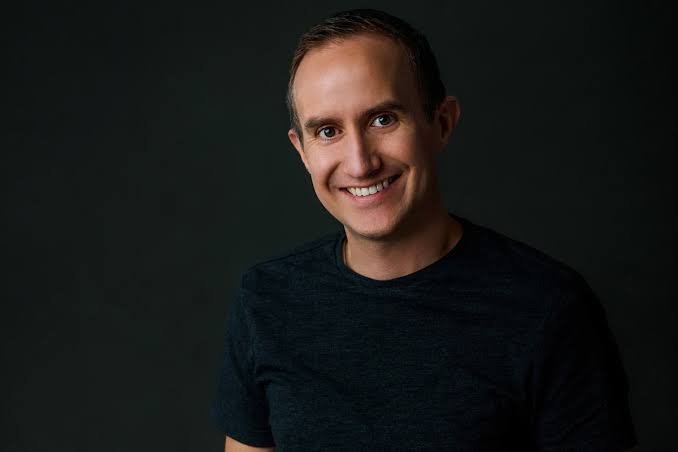
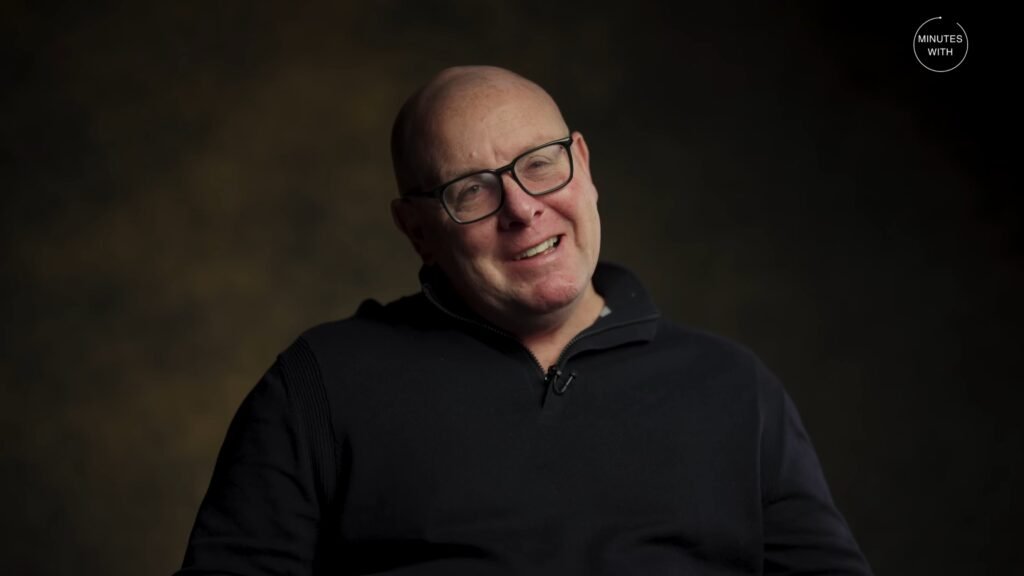
Lewis Howes and Jay Shetty—two of the most successful content creators in the world—recently sat down for a powerful conversation about money. And what they revealed might completely change how you think about wealth.
Both went from broke to building multi-million dollar empires. Lewis was sleeping on his sister’s couch with no money. Jay Shetty had 200 million views on his content but was just four months away from being homeless.
Today, they’ve both achieved the financial freedom most people dream about. But here’s the surprising part: the habits that got them there had very little to do with traditional financial advice.
Let me share the seven money habits they credit for their success—and how you can apply them starting today.
Habit 1: Develop Awareness Around Your Money Relationship
Before you can change your financial situation, you need to understand your relationship with money.
Lewis Howes starts with a simple but profound question: How do you feel when money comes in or goes out?
Most people have never stopped to notice their physical and emotional response to money. But this awareness is the foundation of everything else.
The Awareness Exercise
Here’s what Lewis wants you to do right now:
When you receive money (paycheck, gift, payment), notice:
- How does your body feel?
- Is your breathing shallow or relaxed?
- Do you feel anxious or abundant?
- What thoughts immediately come up?
When money leaves (paying bills, buying groceries, giving to others), ask:
- Do you feel stressed or peaceful?
- Are you resentful or grateful?
- Does it feel scarce or flowing?
Jay Shetty adds that most people avoid looking at their bank accounts entirely because they’re terrified of what they’ll see. That fear is a signal—it’s showing you exactly where the healing needs to happen.
The truth is: If you can’t relax around money, you’ll never be able to receive more of it. Your nervous system needs to feel safe with money coming and going.
Why This Matters
Your nervous system dictates your money behaviors. If you’re in constant stress mode around finances, you’ll make decisions from fear—not abundance.
Think about it: Have you ever made a great financial decision while panicking? Probably not.
Creating awareness doesn’t solve your money problems overnight. But it’s the first step to breaking the cycle of stress, anxiety, and scarcity thinking that keeps people stuck.
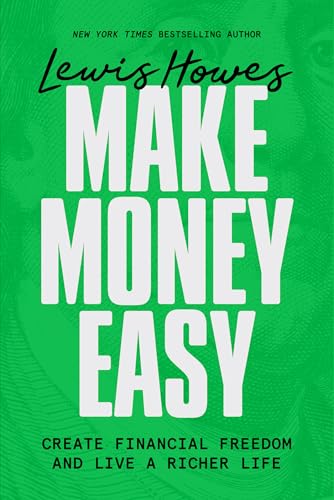
Book recommendation: If you want to dive deeper into healing your money relationship, start with “Make Money Easy” by Lewis Howes. It’s the book from this conversation, and it’s packed with exercises to transform your money mindset from the inside out.
Habit 2: Understand Your Money Story
Everyone has a money story—the narrative you learned about money growing up.
Maybe you heard “money doesn’t grow on trees” or “rich people are greedy.” Maybe your parents fought about finances constantly. Or perhaps money was never discussed at all, creating a sense of mystery and fear around it.
Lewis Howes’ Money Story
Lewis shares that he grew up feeling “a little bit beneath everyone else.” His family had just enough, but not the extras his classmates had. No Nintendo. No rollerblades. Just books and basic necessities.
That created a belief deep in his subconscious: I’m not good enough. I’m always going to be a little behind.
Even when he started making money in his 20s, that story stayed with him. He hoarded cash because he was terrified of being broke again—sleeping on couches even when he had a million dollars in the bank.
Jay Shetty’s Money Story
Jay’s story was different but equally limiting. He grew up believing that having money meant you were doing something bad or wrong.
His family would visit wealthier friends and say things like, “They must be doing dodgy stuff to afford this.” The message was clear: Good people don’t have money. Money corrupts. To be spiritual and kind means staying poor.
So even with 150-200 million views on his content, Jay couldn’t monetize it. His subconscious belief system literally wouldn’t let him make money because it conflicted with his identity as a “good person.”
Your Money Story Exercise
Take 15 minutes right now and write down:
- What did your parents say about money? (Both directly and in passing)
- How did they behave around money? (Stressed? Generous? Secretive? Abundant?)
- What did you learn about rich people? (Were they admired or criticized?)
- What was your first memory of money? (Positive or negative?)
- What’s your current belief about money? (Write it as “Money is…” and complete the sentence)
These answers reveal your money personality style. And here’s the key insight: Your beliefs dictate your behaviors.
If you believe money is scarce, you’ll act from scarcity. If you believe wealthy people are bad, you’ll subconsciously sabotage opportunities to become wealthy.
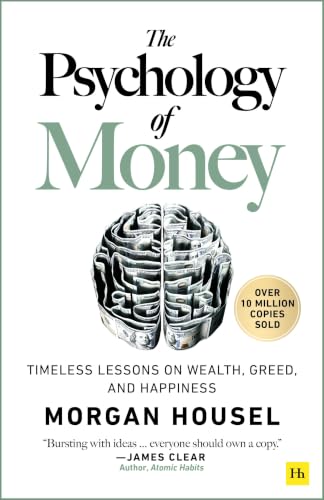
Recommended reading: To explore the psychology behind money beliefs, pick up “The Psychology of Money” by Morgan Housel. It reveals why smart people make terrible financial decisions and how emotions shape our money choices more than logic ever could.
Habit 3: Shift from Helplessness to Helpfulness
This might be the most counterintuitive habit on this list.
When you have no money, when you’re broke, when you feel stuck—every instinct tells you to ask for help. You want someone to give you money, offer you a job, or rescue you from your situation.
But Lewis and Jay both discovered something powerful: The fastest way out of financial struggle is to focus on helping others, not asking for help.
The Generosity Paradox
Lewis puts it simply: “The best way to create abundance is to go from helplessness to helpfulness.”
When you’re broke, this seems impossible. What do you have to give when you have nothing?
But that’s exactly the point. You have more to offer than you realize.
Jay Shetty’s Breakthrough
When Jay was four months from being broke (despite millions of views), he didn’t sit around waiting for opportunity to find him.
He emailed a thousand people offering his skills:
- Video editing
- Social media management
- Consulting
- Content creation
These weren’t his dream jobs. But he had skills that were valuable to someone else. And by offering to help, he created a foundation that allowed him to eventually launch his podcast and build the career he wanted.
What You Can Offer Right Now
Even if you’re struggling financially, you have currencies beyond money:
Energy and passion – People who are burned out will pay for your enthusiasm Curiosity – Asking great questions is incredibly valuable to successful people Time – Helping someone with a project or task Attention – Being fully present is rare and precious Skills – Even basic skills (writing, organizing, tech, design) have value Ideas – Brainstorming and creative thinking help businesses grow
The Hostess Story
Jay shares a powerful example: He went to a restaurant and the hostess had so much energy and passion that three people at his table—including himself—offered her job opportunities on the spot.
She wasn’t trying to network. She wasn’t pitching herself. She was simply bringing incredible energy to her role. That energy was magnetic.
The same principle works everywhere: bring generosity, curiosity, and joy to your interactions, and opportunities will find you.
Book recommendation: For a deep dive into the power of giving, read “The Go-Giver” by Bob Burg. It’s a business parable that proves the most successful people focus on giving value first, not taking.

Habit 4: Invest in Courage and Confidence, Not Just Assets
Here’s where most financial advice gets it wrong.
Everyone tells you to invest in stocks, real estate, crypto, or index funds. And sure, those can be great investments—if you have the courage and confidence to leverage them.
But when someone asked Lewis, “I have $1,000 to invest. Where should I put it?” his answer shocked them.
The Most Important Investment
Lewis said: “Invest in courage and confidence.”
Not Bitcoin. Not the S&P 500. Not rental properties.
Courage to learn new skills. Public speaking. Writing. Coding. Sales. Marketing. Whatever skill will increase your earning potential.
When Lewis was broke on his sister’s couch, he didn’t have money to invest. But he invested his time and energy into developing skills that would eventually make him millions.
He learned how to:
- Ask great questions (which became his podcast superpower)
- Network with successful people
- Create content that resonates
- Build an online platform
None of these skills cost money. They cost courage—the willingness to try, fail, and keep going.
Why Courage Creates Currency
Lewis explains it brilliantly: “Courage creates actions. Those actions create confidence. That confidence becomes a currency within you.”
That currency of self-belief changes everything:
- You start charging more for your services
- You ask for raises and promotions
- You pitch bigger clients
- You take calculated risks
- You bet on yourself
Think about it: Would you rather have $1,000 in a savings account or $1,000 worth of confidence that you can solve problems and create value?
The money in your account can disappear. The confidence and skills stay with you forever.
Where to Invest Your First $1,000
If you have limited funds right now, here’s where to invest:
Public speaking course ($200-500) – Communication skills pay dividends forever; Writing course or coaching ($300-800) – Writing is the foundation of all content and sales; Online skill training ($100-500) – Learn design, coding, marketing, or other in-demand skills; Books and audiobooks ($100-200) – Learn from people who’ve already done what you want to do Networking events or masterminds ($200-500) – Proximity to successful people accelerates your growth
Notice none of these are “investments” in the traditional sense. They’re investments in you—the only asset you have complete control over.
Book recommendation: To understand how skill development compounds over time, read “Atomic Habits” by James Clear. Small improvements in your abilities create exponential results in your earning potential.

Habit 5: Embrace the Generosity of Wealthy People
Every billionaire and ultra-successful person Lewis and Jay have interviewed says the same thing:
“The more I give, the more I make.”
This isn’t some woo-woo manifestation concept. It’s a practical pattern that plays out consistently among the wealthiest people in the world.
Why Giving Creates Wealth
There are several reasons why generosity correlates with wealth:
1. Generosity creates abundance mindset – When you give, you’re telling yourself “I have enough.” That confidence attracts opportunities.
2. Giving builds relationships – The most valuable currency in business is relationships. Generosity deepens them.
3. What you give comes back multiplied – Help someone succeed, and they’ll often help you later in unexpected ways.
4. Generosity distinguishes you – In a world of takers, givers stand out and are remembered.
The Uncomfortable Give
Here’s the advanced practice: Give where it feels uncomfortable.
Not so much that it hurts you. But enough that you feel it.
Lewis explains that wealthy people don’t just give comfortable amounts. They give amounts that make them pause and think, “Wow, that was a big check.”
That discomfort is where transformation happens. It’s you expanding your capacity to give and receive.
How to Practice Generosity When You’re Broke
You might be thinking: “I can barely pay my bills. How am I supposed to be generous?”
Great question. Generosity isn’t just about money. You can practice it in many ways:
Give your time – Volunteer, help a friend move, mentor someone younger Give your expertise – Answer questions, share what you know freely Give your attention – Listen fully when someone talks to you (rare and valuable) Give encouragement – Compliment genuinely, celebrate others’ wins Give small amounts – Even $5 to a cause you care about trains your generosity muscle
The amount doesn’t matter. The energy of generosity matters.
The Cultural Practice
Jay shares a beautiful tradition from his culture: Whenever you see money on the ground (even a penny), you pick it up and put it to your head as a sign of respect to Lakshmi, the goddess of wealth and fortune.
It’s not about keeping the penny. It’s about showing respect for money wherever you encounter it.
This practice trains you to honor money instead of resent it, fear it, or ignore it.
Book recommendation: “Happy Money” by Ken Honda explores the Japanese concept of money as energy and teaches you to say “thank you” to money as it comes and goes. It’s a beautiful practice that transforms your relationship with finances.

Habit 6: Stop Chasing “Easy Money” and Make Money Easy
There’s a huge difference between “making easy money” and “making money easy.”
Making easy money = Get-rich-quick schemes, crypto gambling, lottery tickets, risky investments you don’t understand
Making money easy = Building skills, systems, and relationships that allow money to flow to you naturally
Why Quick Money Fails
Lewis has a powerful principle: “The speed at which you win is the speed at which you lose.”
If you think you can make $10,000 in a week through some investment hack, you can lose it just as fast. Why? Because you don’t understand what you’re doing.
Both Lewis and Jay admit they’ve tried to make “easy money” multiple times. Every single time, they lost money.
Lewis invested in crypto without understanding it. Lost money. He tried quick business deals that seemed too good to be true. Lost money. He chased shortcuts instead of building real value. Lost money.
The pattern repeated until he learned the lesson.
The Real Path: Make Money Easy
Making money easy means removing the stress, anxiety, and struggle from earning.
How do you do that?
Build skills that are in demand – When you’re really good at something valuable, people seek you out; Create systems – Automate, delegate, or systematize your income sources; Develop your reputation – Let your track record do the selling for you; Solve real problems – Money follows value creation; Relax your nervous system – The more you relax, the more you can receive
Jay Shetty’s Turning Point
When Jay finally understood this principle, everything changed.
He stopped trying to make content go viral for vanity metrics. He focused on creating genuine value for his audience.
He stopped seeing monetization as “selling out.” He realized that getting paid for the value you create is healthy and necessary.
He stopped hoarding opportunities. He started collaborating generously with other creators.
The result? Money started flowing more easily because he removed the internal blocks.
Where to Focus Your Energy
Instead of asking “How can I make money fast?” ask:
- What problem can I solve better than most people?
- What skill can I develop that will be valuable for decades?
- How can I create value that compounds over time?
- What relationships can I build that create mutual benefit?
- How can I show up with such excellence that people remember me?
These questions lead to sustainable wealth, not quick wins that disappear.
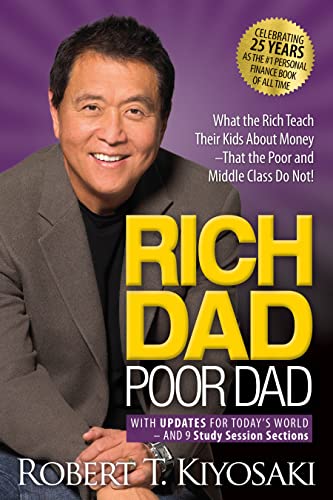
Book recommendation: If you want to understand the difference between wealth and just making money, read “Rich Dad Poor Dad” by Robert Kiyosaki. It fundamentally shifts how you think about income, assets, and building real wealth.
Habit 7: Heal Your Relationship with Money Like It’s a Person
This final habit might sound strange, but it’s incredibly powerful.
Lewis asks people to imagine this scenario:
Money is a person who walks into a party. How would you react?
The Revealing Exercise
When Lewis asked someone this question, they gave a brutally honest answer:
“I would run to the bar. I would avoid eye contact. I would gossip about money behind their back. I would judge them. But then I would use and abuse them when I needed something. And I would ghost them afterward.”
Imagine treating an actual person that way. Would they want to be in your life? Would they stick around? Would they trust you?
Of course not.
Yet this is exactly how many people treat money—with fear, resentment, judgment, and inconsistency.
Jay Shetty’s Cultural Practice
In Jay’s tradition, when money (represented by the goddess Lakshmi) enters your life, you would:
Bow with respect – Acknowledge its value and power Offer hospitality – Treat it like an honored guest in your home Express gratitude – Thank it for being there Be vulnerable – Share honestly about your struggles and ask for help Listen – Pay attention to how money moves in your life
This isn’t about worshipping money. It’s about having a healthy, respectful relationship with it.
Creating a New Relationship
Here’s how to start healing your relationship with money today:
When money comes in:
- Say “thank you” out loud
- Ask it: “Where would you like to go? Savings? Investments? Bills? Giving?”
- Feel gratitude in your body, not just your mind
When money goes out:
- Thank it for what it provided (a home, food, services)
- Appreciate the exchange rather than resenting the loss
- Trust that more will come
Daily practice:
- Look at your bank balance without judgment
- Notice your feelings without trying to change them
- Send money thoughts of appreciation rather than stress
The Manifestation Story
Lewis shares a powerful story about this practice.
He set an intention: “Money comes to me abundantly and freely. I see it everywhere. I am a magnet for money.”
He said it daily, playfully, as an experiment.
Within days, he found two pennies—one worth potentially $4,000 because it was a rare 1945 wheat penny.
The point isn’t that he literally manifested $4,000. The point is that he trained himself to notice opportunity. Without that awareness, he would have walked past the penny without even seeing it.
How many opportunities do we miss because we’re not looking? Because our relationship with money is so stressed that we can’t see possibilities right in front of us?
Why This Works
When you treat money with respect, curiosity, and gratitude:
- Your nervous system relaxes
- You make better decisions
- You notice opportunities you would have missed
- You act from abundance instead of scarcity
- You attract people and situations that match your energy
Money isn’t magic. But your relationship with money absolutely affects how it flows in your life.
The Truth About Real Wealth
After listening to Lewis Howes and Jay Shetty share their journeys from broke to wealthy, one thing becomes crystal clear:
Real wealth has nothing to do with your bank account.
Lewis shares a heartbreaking story from his apartment building in LA. A man who was worth hundreds of millions of dollars took his own life. All that money couldn’t save him because he hadn’t done the internal work.
Money amplifies who you already are. If you’re stressed, anxious, and trapped internally, more money just makes those feelings bigger.
But if you develop these seven habits—awareness, healing your money story, focusing on helping others, investing in courage, practicing generosity, making money easy, and treating money with respect—you create a rich life from the inside out.
Then when money comes (and it will), you’ll actually be able to enjoy it, use it well, and feel genuinely free.
Your Next Steps: Start Today
You don’t need to wait until you have money to practice these habits. In fact, the best time to start is right now—especially if you’re struggling.
This week:
- Do the awareness exercise: Notice how you feel when money comes and goes
- Write out your money story: What did you learn about money growing up?
- Find one way to help someone else, even in a small way
This month:
- Identify one skill to invest in (with time if not money)
- Practice saying “thank you” to money when it comes and goes
- Reach out to 10 people offering to help them in some way
This year:
- Build at least one new skill that increases your earning potential
- Give generously (time, energy, or money) where it feels slightly uncomfortable
- Create a healthy daily money practice (reviewing finances without judgment)
The seven habits that created wealth for Lewis Howes and Jay Shetty will work for you too—but only if you actually practice them.
Essential Reading to Transform Your Money Life
If you’re serious about changing your relationship with money and building real wealth, here are the books that will accelerate your journey:
1. “Make Money Easy” by Lewis Howes – The complete system from this conversation, with exercises and practices to implement immediately
2. “Think Like a Monk” by Jay Shetty – Learn to detach from material anxieties while still building wealth
3. “The Psychology of Money” by Morgan Housel – Understand why emotions drive financial decisions more than logic
4. “Rich Dad Poor Dad” by Robert Kiyosaki – Shift from employee mindset to wealth-builder mindset
5. “Happy Money” by Ken Honda – Transform your emotional relationship with money using Japanese wisdom
6. “The Go-Giver” by Bob Burg – Learn why focusing on giving creates more success than taking
7. “Atomic Habits” by James Clear – Build the small daily habits that compound into massive financial results
Start with “Make Money Easy”—it’s the foundation of everything we’ve covered here. Then work through the others based on what resonates most with your situation.
Final Thoughts: The Richest Life
Money is just a tool. It’s energy. It’s a resource.
But the quality of your life—your relationships, your peace of mind, your sense of purpose, your freedom—that’s what real wealth looks like.
Lewis Howes and Jay Shetty both discovered that you can have all the money in the world and still feel trapped. Or you can have very little and feel incredibly rich.
The goal isn’t just to make more money. The goal is to feel free.
Free to be generous. Free to take risks. Free to serve others. Free to enjoy your life. Free to sleep peacefully at night.
These seven habits create that freedom—whether you have $100 or $100 million in the bank.
Start practicing them today. Your future wealthy self is watching what you do right now.
What’s your biggest money challenge right now? Drop a comment below and let’s discuss how these seven habits can help you overcome it.