His father worked night shifts for 20 years watching people die in his arms. Then one day, he just quit. Here’s why most doctors can’t do what he did—and what that reveals about true wealth.
The $14 Million Salary That Bought Nothing
When most people say “I want to be a millionaire,” they’re lying to themselves.
What they actually mean is: “I want to spend a million dollars.”
Morgan Housel, author of the 4-million-copy bestseller The Psychology of Money, cuts through the bullshit with surgical precision. There’s a massive difference between being rich and being wealthy—and most people are chasing the wrong one.
Rich = Having enough money to buy what you want. Car payments. Mortgage. Dinners with friends. Money in the bank.
Wealthy = Money you did NOT spend and maybe never will. The unspent car fund. The house you didn’t upgrade. The jewelry you passed on.
Wealth is invisible. It’s hidden. And that’s exactly what makes it powerful.
The Doctor Who Bought His Freedom
Housel grew up confused about money.
His parents were students living off loans and grants—dirt poor. Then his father became an ER doctor when Morgan was 12 or 13, and things changed. Not rich, but comfortable.
Here’s the weird part: The frugality his parents developed when they were broke never went away.
No Lamborghini. Modest house. Decent family vacations. They lived way below their means.
At 16, Morgan looked down on his parents for this. He could Google “how much does a doctor make” and do the math. He knew his dad could afford better cars, bigger Christmas presents, a mansion.
He thought his parents were being mean.
Then Reality Hit 10 Years Later
Morgan’s father was an ER doctor—one of the most brutal jobs imaginable. People are literally dying in your arms every day. Night shifts for 20 years. Children are dying every week.
After two decades, he’d had enough. He was burnt out. Done.
So he quit.
Just like that. One day he woke up and said, “I’m done.” And because he’d saved so much money—because he’d lived below his means for 20 years—he was actually done.
No negotiation. No “just one more year.” No financial panic. He walked away and entered the next phase of his life.
The Colleagues Who Couldn’t Leave
Many of his fellow doctors were just as burnt out. They’d also spent 20 years watching trauma and death. They also wanted to retire.
They couldn’t.
Why? Because they bought the bigger house. The nicer car. The luxury lifestyle that Morgan thought his family “should” have had.
When those doctors tried to quit, they realized they were trapped. Their high income had become a prison.
Morgan’s father? Free.
And when he quit, something magical happened: He got so much happier.
That’s when Morgan finally understood. His dad wasn’t being cheap or mean. He was buying something more valuable than any car or house could ever provide.
Independence.
The Mirror Question That Changes Everything
Most finance books promise to teach you stock-picking, credit card optimization, or account balancing.
The Psychology of Money does something radically different.
Housel’s goal isn’t to teach you formulas—it’s to make you look in the mirror and ask: “Who am I?”
Why did you want to show off the car you drove? Why do you feel insecure? Where do you fall in the social hierarchy? What drives your greed and fear?
The book isn’t where the learning ends—it’s where it begins.
After the last page, Housel hopes you’ll go for a walk and think clearly about what you actually want from money and what money can and cannot do for you.
What Money Can Buy (And What It Can’t)
Here’s what wealth—the invisible kind, the unspent money—actually purchases:
Independence and autonomy.
Every dollar you save is a piece of your future that you own. You’re buying your time so it’s yours to control.
- You can work for who you want
- You can work as long as you want
- You can retire when you want
- You can wake up every morning and do whatever the hell you want
No boss dictating your schedule. No financial pressure forcing you into jobs that drain your soul. No panic when you realize you’re burnt out but financially trapped.
Charlie Munger said it perfectly: “I never wanted to become rich. I just wanted to become independent.”
When Housel first read that quote, it clicked instantly. That’s what he wanted too.
Not a Lamborghini. Not a mansion or yacht. Just the ability to wake up every morning and say: “Today is mine. Nobody’s going to tell me where to work, when to work, what to do. It’s all me.”
For your work life, family life, health, and mental sanity, there’s nothing more important than independence.
The Happiness Puzzle Piece Most People Miss
Happiness is complicated. But one of the biggest puzzle pieces is straightforward:
Having control over what you’re doing.
Multiple studies confirm this. One of the things that makes people genuinely happy is autonomy over their lives.
The flip side? What makes people deeply unhappy:
- Not having control over their future
- Not controlling their schedule
- Uncertainty about whether they’ll get laid off
- Being forced into situations they can’t escape
That uncertainty becomes a massive anchor dragging down your health and well-being.
Morgan’s father experienced this firsthand. Twenty years of night shifts as an ER doctor demolished his health. The stress was relentless.
But unlike his colleagues, he had the financial ability to wake up one day and say: “I’m done.”
That ability—that choice—changed everything.
Why “I Want to Be a Millionaire” Is a Trap
When someone says they want to be a millionaire, here’s what they’re usually imagining:
Spending a million dollars on cars, houses, vacations, status symbols.
That’s not wealth. That’s consumption.
Real wealth = Having a million dollars you’re NOT going to spend.
Because you’re not spending it, you have a giant cushion. That cushion gives you:
- Independence
- Autonomy
- Options
- Freedom from anxiety
- The power to say no
Every bit of savings is a piece of your future that belongs to you. It’s time you’re buying back from employers, obligations, and financial pressure.
The Social Debt Nobody Talks About
Here’s the trap most people fall into:
Once money goes from being a tool you use to a symbol other people measure you by, you’re buried in social debt.
You start buying things not because you want them, but because you think you should want them. Because your peers have them. Because it signals success.
That social debt is hard to measure but has a real, crushing impact on your happiness.
Housel’s parents avoided this trap entirely. They stayed frugal even after the money came in. They didn’t care what neighbors thought about their modest house or average cars.
That indifference to social comparison is what enabled his father’s early retirement and happiness.
The Independence-Happiness Connection
The formula is simple:
Frugality → High savings rate → Financial independence → Control over your life → Happiness
Housel’s father was frugal. He saved aggressively. That made him independent. Independence made him happier than any car or house could have.
It’s not complicated. But it requires rejecting the path most people take:
High income → Lifestyle inflation → Trapped in high-paying job → Stress → Burnout → Can’t escape
The colleagues making the same salary as Housel’s father but spending more? They wanted to retire. They were burnt out. They couldn’t.
They’d traded their future freedom for present consumption.
What The Psychology of Money Actually Teaches
This isn’t a technical investing manual. It’s a mirror.
The book forces you to confront:
- Why you want what you want
- What you’re actually optimizing for
- Whether you’re chasing rich (spending) or wealth (saving)
- How social comparison drives your decisions
- What money can realistically provide vs. what it can’t
The core message: Behavior with money is more important than intelligence.
A janitor named Ronald Read accumulated $8 million through consistent saving and compounding—not because he was brilliant, but because his behavior was disciplined.
Meanwhile, countless high-IQ finance professionals go broke because their behavior with money is terrible.
The Question You Need to Answer
What do you actually want from money?
Not what society says you should want. Not what your peers are chasing. Not what looks impressive on Instagram.
What do YOU want?
For Housel and his father, the answer was clear: Independence.
The ability to wake up and control their days. To work if they want, quit if they don’t. To never feel trapped by financial obligations.
That answer shaped every financial decision they made. Modest houses. Older cars. High savings rate. Living below their means.
And it worked. When his father hit his breaking point, he had the freedom to walk away. No negotiation. No desperation. Just choice.
The Introspection Challenge
The Psychology of Money isn’t just a book you read—it’s a mirror you hold up to yourself.
After you finish it, the real work begins:
- Go for a walk
- Think about what you actually want from life
- Examine why you feel insecure about money
- Question why you care about social hierarchy
- Understand your relationship with greed and fear
The learning doesn’t end on the last page. That’s where it starts.
📚 Want to Transform Your Relationship with Money?
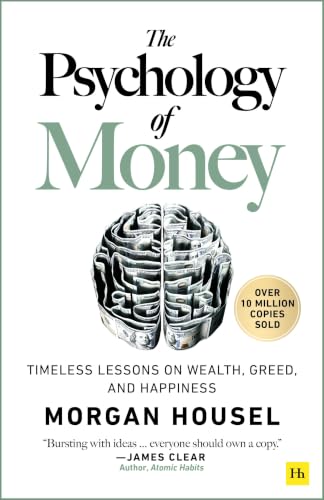
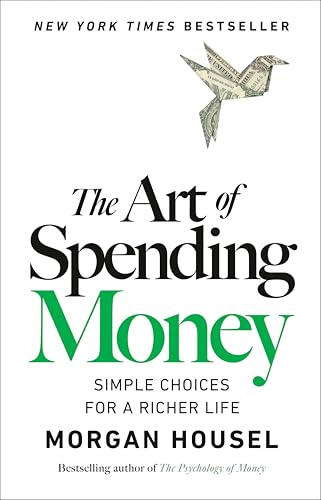


Get “The Psychology of Money” by Morgan Housel
Over 4 million copies sold worldwide | Translated into 50+ languages
This isn’t about formulas—it’s about understanding yourself and what you truly want from money.
What you’ll discover:
- ✅ Why behavior beats intelligence with money
- ✅ The difference between being rich and being wealthy
- ✅ How to build independence through strategic frugality
- ✅ Why most “millionaires” are actually trapped
- ✅ The real psychological drivers behind your financial decisions
The Verdict: Rich vs. Wealthy
Being rich: Having money to spend on what you want right now.
Being wealthy: Having money you’re NOT spending, giving you independence and control over your future.
Most people chase rich. They want to spend a million dollars.
Smart people chase wealthy. They want to save a million dollars.
The difference? Rich people work for money. Wealthy people have money working to buy them freedom.
Housel’s father understood this. He lived modestly, saved aggressively, and bought his independence. When he was done with night shifts and trauma, he walked away—no permission needed.
His colleagues with bigger houses and nicer cars? Still working. Still trapped. Still unhappy.
Same salary. Different choices. Completely different outcomes.
The Question That Matters
When you’re 60 years old and burnt out, will you have the financial freedom to say “I’m done” and actually mean it?
Or will you be stuck, wishing you’d bought less house and more independence 20 years earlier?
The choice you make today determines the answer.
Read also:
- Ray Dalio: Why America Is Losing the Technology War to China
- Morgan Housel: The Investment Strategy That Beats 95% of Professional Investors
- Scott Galloway: The $3 Million Mistake That Taught Me How Wealth Really Works
Morgan Housel is a partner at The Collaborative Fund and former columnist at The Motley Fool and The Wall Street Journal. “The Psychology of Money” has been called “one of the best and most original finance books in years” and has sold over 4 million copies worldwide.